
Webcam and Microphone Defense (camera & mic privacy)










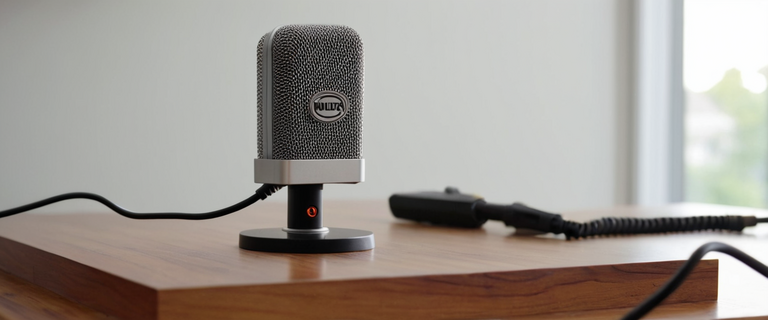









Understanding the Hidden Threat to Your Digital Privacy
Your device’s camera and microphone represent direct pathways into your private space. These components, designed for legitimate video calls and voice commands, can become surveillance tools when compromised by cyber threats. The concerning reality is that unauthorized access often occurs silently, without obvious warning signs that your digital privacy has been breached.
Cybercriminals employ various techniques to gain control over webcam and microphone functions. Malware infections frequently arrive through seemingly innocent downloads or deceptive email attachments. Once installed, these programs can activate your camera without triggering indicator lights on many devices. This practice, sometimes called camfecting, enables strangers to observe your environment and potentially collect sensitive information for exploitation.
How Hackers Exploit Camera and Microphone Vulnerabilities
The methods used to compromise device security have evolved considerably. Remote access trojans represent one significant threat category, allowing attackers to control your hardware from distant locations. These tools can manipulate privacy settings, disable security features, and operate entirely in the background while you use your device normally.
Eavesdropping through microphones presents equally serious concerns. Your conversations, whether professional discussions or personal exchanges, become accessible to malicious actors who exploit weak security configurations. Many people remain unaware that their microphone might capture audio even when they believe their device is inactive.
Practical Steps for Protecting Your Devices
Physical barriers offer immediate protection against visual surveillance. Webcam covers, whether purpose-designed products or simple adhesive solutions, block unauthorized viewing regardless of software vulnerabilities. This straightforward approach gained recognition when prominent technology leaders adopted the practice, demonstrating that even experts acknowledge these risks.
Software-based protection requires consistent attention to security updates. Manufacturers regularly patch vulnerabilities that hackers might exploit, making prompt installation of these updates essential. Your operating system includes privacy settings that control which applications can access your camera and microphone. Regular audits of these permissions help identify suspicious activity, as legitimate programs rarely require constant access to these components.
Antivirus software plays a crucial role in detecting and removing malware designed to hijack your hardware. Modern security suites often include dedicated webcam protection features that alert you when programs attempt unauthorized access. Firewall configurations add another defensive layer by monitoring network traffic for suspicious patterns that might indicate an active breach.
Creating Comprehensive Defense Strategies
Effective protection combines multiple approaches rather than relying on single solutions. Strong passwords for device accounts prevent unauthorized system access that could lead to privacy invasions. Two-factor authentication further strengthens this barrier, requiring additional verification before granting control over your settings.
Network security deserves equal attention, particularly when connecting through public wireless access points. Virtual private networks encrypt your data transmission, making it significantly harder for attackers to intercept communications or inject malicious code. Home networks benefit from regularly updated router passwords and strong encryption protocols.
Awareness of social engineering tactics helps prevent the human errors that often enable security breaches. Cybercriminals increasingly use convincing impersonation techniques to trick users into granting access permissions or downloading harmful software. Maintaining skepticism toward unsolicited communications and verifying sender identities protects against these manipulation attempts.
Your digital privacy ultimately depends on proactive security practices maintained consistently over time. The investment in protective measures, whether physical covers or comprehensive security software, provides substantial value compared to the potential consequences of compromised camera and microphone access. Regular attention to device security creates habits that significantly reduce your exposure to surveillance threats.