
Private Browser Questions















Understanding Private Browsing and What It Actually Protects
When you open an incognito window or switch to private mode in your browser, you might feel like you’ve just activated an invisibility cloak for your online activities. The reality is more nuanced than many people realize. Private browsing offers specific protections, but understanding what it actually does—and doesn’t do—helps you make smarter decisions about your digital privacy.
What Happens When You Go Incognito
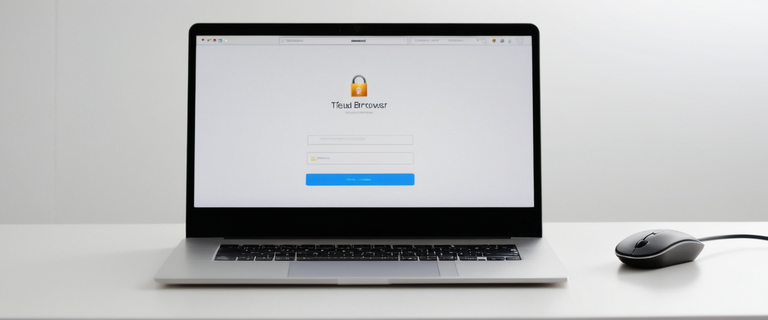
Private browsing creates a temporary session that operates separately from your browser’s main environment. During this session, your browser stops recording the websites you visit in its history log. Any cookies that websites place on your device get deleted automatically once you close the private window. The same goes for form data and search queries you enter while browsing privately.
This temporary nature means that someone who uses your computer after you won’t be able to trace your digital footsteps through the browser’s history or see which accounts you logged into. For households sharing devices or people using public computers, this protection can be invaluable. The feature works similarly across major browsers, whether you’re using Chrome’s Incognito mode, Firefox’s Private Browsing, Safari’s Private Window, or Edge’s InPrivate option.
The Local Privacy Shield
Think of private mode as creating a clean slate that erases itself. Your browser won’t store temporary internet files, won’t remember passwords you type, and won’t save items you downloaded to its download list. Files you actually download during the session remain on your device, but the record of downloading them disappears. This local protection gives you control over what traces remain on your specific device.
Where Private Mode Falls Short
The most significant misunderstanding about incognito mode centers on external visibility. Your internet service provider can still see every website you visit, even in private mode. When data travels from your device to a website, it passes through your ISP’s infrastructure, leaving a complete trail of your browsing destinations. Similarly, if you’re using a work or school network, the network administrators maintain full visibility into your online activities regardless of your browser settings.
Websites themselves can still identify you through your IP address when you visit them privately. This unique identifier reveals your approximate location and can be used to track your behavior across different sites during the same session. If you sign into any account while browsing privately, that website knows exactly who you are and can record your activities just as they would during a regular browsing session.
The Tracking Reality
Many people assume private browsing prevents online tracking, but third-party tracking systems can still monitor you through various technical methods. While your browser blocks some cookies by default in private mode, sophisticated tracking techniques using browser fingerprinting or other technologies can still identify your device characteristics and behavior patterns. The private session protects you from tracking that relies solely on persistent cookies stored on your device, but it doesn’t make you invisible to all tracking methods.
Smart Uses for Private Browsing
Despite its limitations, private mode serves several practical purposes. Shopping for gifts on a shared computer becomes safer since your browsing history won’t spoil the surprise. When you need to manage multiple accounts on the same website simultaneously, opening one account in regular mode and another in private mode often works smoothly. Testing how websites appear to first-time visitors helps web developers and content creators see their work from a fresh perspective.
Price comparison shopping sometimes benefits from private browsing too. Some travel and e-commerce sites adjust prices based on browsing history and cookies, so starting fresh in private mode might show you different pricing. Additionally, accessing websites with article limits or paywalls can sometimes work better in private sessions, though this depends on how those sites implement their restrictions.
Combining Tools for Better Protection
Serious privacy protection requires layering multiple tools together. Using a virtual private network alongside private browsing hides your IP address and encrypts your internet traffic, preventing your ISP from monitoring which sites you visit. The VPN routes your connection through a secure server, masking both your identity and location from websites you visit.
For maximum anonymity, browsers like Tor route your traffic through multiple encrypted layers across different servers worldwide. This makes it extremely difficult for anyone to trace your online activities back to you. Privacy-focused browsers such as Brave and DuckDuckGo build additional protections directly into their design, blocking trackers and ads automatically.
Building Your Privacy Strategy
Consider what you actually need to protect. If you simply want to prevent family members from seeing which websites you visited, private browsing handles that task effectively. For hiding your activities from your internet provider, add a trustworthy VPN to your toolkit. When dealing with sensitive research or communications, combining private browsing with a VPN and a security-focused browser creates much stronger protection.
Remember that no single tool provides complete privacy. Even with all these protections in place, signing into accounts still reveals your identity to those services. Understanding these limitations helps you make informed decisions about which combination of privacy tools matches your specific needs and concerns.