
Virtual Private Networks (VPNs) have emerged as indispensable tools for internet users seeking to enhance their online security, privacy, and access to global content in an increasingly interconnected digital landscape. While VPNs were originally developed in 1996 by Microsoft employee Gurdeep Pall through the peer-to-peer tunneling protocol (PPTP) for enterprise communications, they have rapidly evolved from specialized corporate tools into mainstream consumer applications used by approximately 75 million Americans and billions of users worldwide. A VPN fundamentally operates by creating an encrypted tunnel through which internet traffic flows, masking the user’s IP address, encrypting data, and routing connections through remote servers to establish a secure connection over unsecured public internet infrastructure. The reasons for adopting VPN technology are multifaceted and vary significantly depending on individual circumstances, professional requirements, geographical location, and personal privacy concerns, creating a complex ecosystem of motivations that range from basic security concerns to advanced anonymity requirements and content accessibility needs.
Understanding VPN Fundamentals and Technical Operations
Before exploring the varied reasons for VPN adoption, it is essential to understand precisely how VPNs function and what technical capabilities they provide to users. A VPN, standing for Virtual Private Network, is fundamentally defined as a service that creates an encrypted connection between a user’s device and a remote server, masking the user’s Internet Protocol address and encrypting all data transmitted across the connection. When a user connects to a VPN, their internet connection is rerouted through the VPN provider’s servers rather than their Internet Service Provider’s infrastructure, creating what security experts describe as a secure tunnel that renders all transmitted data unreadable to potential interceptors. The technical process involves multiple layers of encryption and authentication protocols working in concert to establish security, beginning with a handshake process between the user’s VPN client and the VPN server. During this initial handshake, hashing is used to authenticate that the user is connecting to a legitimate VPN server, and asymmetric encryption exchanges symmetric encryption keys between the parties. Once this authentication phase completes successfully, symmetric encryption, most commonly utilizing the Advanced Encryption Standard with 256-bit keys (AES-256), encrypts all subsequent data passing between the user and the VPN server. This encryption standard represents the same level of cryptographic protection employed by financial institutions and government agencies, providing users with enterprise-grade security for their online activities.
The mechanics of VPN operation involve several critical components that work together seamlessly to provide protection. A VPN connection establishes what appears to websites and internet services as a connection originating from the VPN server’s location rather than the user’s actual geographical position. This IP address masking represents one of the primary benefits of VPN technology, as websites and online services typically identify and track users based on their IP addresses. By replacing the user’s real IP address with that of a VPN server, the technology creates a layer of obfuscation that prevents third parties from directly associating online activities with the individual performing them. VPNs come in multiple varieties designed for different purposes and user bases, including institutional VPNs provided by universities and employers, business VPNs designed to connect employees to corporate networks, and commercial VPNs intended for personal internet privacy protection. The distinction between these types is significant for understanding VPN usage patterns, as institutional VPNs typically serve as gates to restricted resources rather than general privacy tools, while business VPNs focus on secure corporate network access, and commercial VPNs address personal privacy concerns.
For practical protection, see our IP protection feature feature.
Data Security and Protection Against Cyber Threats
The most fundamental and widely recognized reason individuals and organizations adopt VPN technology is to protect sensitive data from interception, theft, and unauthorized access by malicious actors. When users transmit information online—whether banking credentials, personal email communications, financial transactions, or confidential business documents—this data travels across networks where it could potentially be intercepted by skilled criminals or state-sponsored actors without adequate encryption. A VPN addresses this security vulnerability by encrypting all data before it leaves the user’s device and maintaining that encryption through its entire journey to the final destination, making the information completely unreadable to any party attempting to capture it without possessing the correct encryption keys. This encryption proves particularly critical in contexts where sensitive information is being transmitted, including accessing bank accounts and financial services, making online purchases with credit cards, submitting healthcare information, or transmitting business communications containing proprietary data. Research indicates that cybercriminals conducting data interception attacks exploit the inherent vulnerability of unencrypted connections to harvest personal information, financial details, and login credentials that can then be weaponized for fraud, identity theft, and unauthorized account access.
The threat landscape facing internet users has intensified dramatically in recent years, with cybersecurity researchers reporting that there are over 2,200 cyberattacks occurring daily globally, equivalent to one attack every 39 seconds. VPN encryption directly counteracts the most common attack vectors targeting individual internet users, including man-in-the-middle attacks where malicious actors position themselves between a user and their intended destination to intercept and potentially alter communications. By encrypting all data transmission, a VPN prevents attackers from capturing intelligible information even if they successfully position themselves in the network pathway. Additionally, VPNs protect against session hijacking, a sophisticated attack where criminals intercept session tokens or authentication cookies to fraudulently access user accounts without knowing passwords. For financial data specifically, VPNs provide protection during online banking and shopping transactions by ensuring that credit card numbers, bank account information, and other payment details remain encrypted and thus immune to interception by thieves monitoring network traffic. This protection extends to protecting personal identifying information such as social security numbers, addresses, phone numbers, and other details that could be weaponized for various types of fraud.
Privacy Protection and Prevention of Tracking
Beyond protecting data from criminal interception, VPN users seek privacy protection from legitimate but invasive tracking practices conducted by Internet Service Providers, advertisers, data brokers, and other commercial entities that have developed sophisticated methods to monitor and profile internet users. Without a VPN, Internet Service Providers occupy a unique position where they can observe all internet traffic flowing to and from a user’s device, including which websites they visit, how long they spend on various sites, when they are online, and metadata about their online activities. ISPs can and do leverage this visibility to compile detailed profiles of user behavior, interests, and habits, information that is frequently sold to third-party advertisers and data brokers who use it to target users with personalized advertising. Research conducted at the University of Chicago examining VPN usage patterns found that a significant portion of the general population adopts VPNs specifically to reduce tracking by search engines and social media platforms, with 37 percent of surveyed VPN users citing this as their primary motivation. When a user connects through a VPN, the ISP only observes that the user has connected to a VPN—the specific websites visited, the search queries performed, the streaming services accessed, and the content consumed all become invisible to the ISP. This represents a fundamental shift in the tracking equation, as the ISP’s visibility into user activity is replaced by the VPN provider’s potential visibility, making provider trustworthiness and logging policies critical considerations.
The privacy benefits of VPNs extend beyond ISP tracking to address the broader ecosystem of digital profiling and behavioral tracking conducted by advertisers, data brokers, and technology companies. Websites employ various tracking mechanisms including cookies, pixels, and fingerprinting techniques to identify returning visitors and build profiles of their interests and behavior across multiple websites. While VPNs cannot prevent websites from using cookies to track users who log into personal accounts, they do disrupt the ability of advertisers and trackers to build profiles based on IP address tracking, which was previously a primary mechanism for correlating a user’s activity across different websites and devices. Additionally, VPNs prevent data brokers from harvesting location information derived from IP addresses to build detailed geographical profiles of users. The cumulative effect of these privacy protections is that users employing VPNs significantly reduce the amount of behavioral data available to commercial trackers, making their online activities less monetizable and reducing the frequency and specificity of targeted advertising they encounter.
Remote Work and Secure Access to Corporate Networks
The exponential growth in remote work arrangements, accelerated particularly by the COVID-19 pandemic and the subsequent normalization of distributed workforces, has created a substantial and ongoing demand for VPN technology among employees who need to access corporate networks and resources from outside of traditional office environments. Employees working from home, traveling, or working in distributed arrangements need secure access to company resources including email systems, file servers, databases, internal applications, and collaborative tools that would normally only be directly accessible from corporate network infrastructure. Without VPN protection, remote employees accessing company resources over public internet connections would expose sensitive corporate data, trade secrets, customer information, and proprietary systems to potential interception and theft by network eavesdroppers. A business VPN creates an encrypted tunnel between an employee’s device and the corporate network, ensuring that all communication between the employee and company systems remains confidential and that only authenticated and authorized users can access protected resources. This protection proves critical when employees access company networks from public Wi-Fi networks in coffee shops, airports, hotels, and other venues where network security is minimal or nonexistent.
For organizations, providing VPN access to remote employees represents a cost-effective alternative to legacy security solutions such as leased dedicated lines or restrictive IP address allowlisting that was previously required to support remote work securely. VPNs enable organizations to scale remote work support efficiently by providing employees with a simple software client that can establish a secure connection from any internet-connected location. Additionally, VPNs provide organizations with centralized access control capabilities, allowing IT administrators to manage which users have access to which resources and to revoke access immediately if an employee leaves the organization or if their credentials are suspected of being compromised. The security benefits are particularly significant for organizations handling sensitive information including financial data, healthcare records, client information, intellectual property, and proprietary business systems. Many businesses now mandate VPN usage for all remote access to corporate networks to comply with information security standards and regulatory requirements such as HIPAA for healthcare organizations, SOC 2 for service providers, and ISO 27001 for general information security management.
Accessing Geo-Restricted and Censored Content
A substantial portion of internet users adopt VPN technology to circumvent geographical restrictions placed on online content, a practice often referred to as beating geo-blocking or geo-restriction. Many entertainment platforms, including streaming services like Netflix, Hulu, Disney+, BBC iPlayer, and regional sports broadcasting platforms, offer different catalogs of content based on the geographical location from which users access their services. These geographical restrictions are typically implemented due to licensing agreements that grant streaming rights only in specific regions, meaning content available to users in the United States may not be available to users in Europe or other regions, and vice versa. VPN technology enables users to circumvent these geographical restrictions by routing their connections through VPN servers located in regions where content is available, making it appear that they are accessing services from within that region. A user wishing to access American television content while traveling in Europe can connect to a VPN server located in the United States, appearing to streaming services as though they are accessing from an American location, thereby gaining access to the American catalog of available content.
Protect Your Digital Life with Activate Security
Get 14 powerful security tools in one comprehensive suite. VPN, antivirus, password manager, dark web monitoring, and more.
Get Protected NowThe motivation to bypass geo-restrictions extends beyond entertainment consumption to encompass legitimate access to information, services, and content that may be restricted based on geographical location or legal jurisdiction. Researchers and journalists often use VPNs to access academic databases, news websites, and informational resources that are restricted to specific regions due to licensing or regulatory requirements. Additionally, individuals traveling internationally frequently utilize VPNs to maintain access to services they normally use in their home country, avoiding the disruption and inconvenience of losing access to email, banking, entertainment, and communication services simply due to temporary geographical relocation. For some users, VPN adoption is driven by governmental internet censorship rather than commercial geo-blocking, representing a more fundamental freedom of information concern. In countries with extensive internet censorship including China, Russia, Iran, and others, VPNs serve as essential tools to bypass government-imposed firewalls and access blocked websites, blocked news sources, social media platforms, and other information sources that authorities have restricted. Research indicates that VPN adoption rates are highest in regions with significant internet censorship, with countries like the United Arab Emirates showing adoption rates of 65.78 percent and Qatar showing 55.43 percent average adoption rates. In these contexts, VPNs serve not merely as tools for entertainment access but as critical infrastructure for freedom of information and expression.

Public Wi-Fi Network Security and Traveling Safety
A significant percentage of VPN users cite protection while using public Wi-Fi networks as a primary motivation for VPN adoption, a concern that is well-grounded in the genuine security vulnerabilities inherent to unencrypted public wireless networks. Public Wi-Fi networks in airports, hotels, coffee shops, restaurants, and other venues typically employ minimal or no encryption, making all data transmitted over these networks visible to anyone else connected to the same network who possesses basic network monitoring tools. The vulnerabilities of public Wi-Fi create what security researchers describe as an ideal hunting ground for cybercriminals seeking to steal personal information, financial data, and authentication credentials from unsuspecting users. Without VPN protection, a user connecting to a coffee shop’s public Wi-Fi network to check email could have their email credentials captured by another network user, potentially leading to unauthorized account access and subsequent abuse of the compromised email account. Similarly, users conducting online shopping, banking, or any activity involving financial information on unencrypted public Wi-Fi networks risk having their credit card numbers, banking credentials, and financial transaction details intercepted.
Beyond simple data interception, public Wi-Fi networks are particularly vulnerable to malicious hotspot attacks where criminals set up fake Wi-Fi networks designed to deceive users into connecting to them. These “evil twin” networks replicate the names of legitimate networks—for example, appearing as “Starbucks” when the real network is “Starbucks-customer-wifi”—causing users to inadvertently connect to attacker-controlled networks. Once users connect to a malicious hotspot, attackers can employ man-in-the-middle attack techniques to intercept all unencrypted communications, redirect users to phishing websites, or inject malware into users’ devices. A VPN completely mitigates these public Wi-Fi vulnerabilities by encrypting all data transmitted from the user’s device, making it useless to attackers even if they successfully intercept it. Additionally, VPN encryption prevents attackers from redirecting users to malicious websites or injecting malware into legitimate websites, as all web traffic passing through the VPN tunnel is encrypted and thus cannot be modified by network eavesdroppers. For frequent travelers, business professionals who work from various locations, and anyone else regularly connecting to public Wi-Fi networks, VPN protection has become nearly essential rather than optional.
Protection Against Identity Theft and Fraud
VPN technology provides substantial protection against identity theft, a crime that impacts millions of individuals annually and can result in severe financial, emotional, and reputational consequences for victims. Identity thieves typically begin their operations by obtaining personal information including names, addresses, dates of birth, social security numbers, and financial information that can be stolen in multiple ways, including through data breaches, social engineering, and online interception. By masking IP addresses and encrypting data transmissions, VPNs significantly reduce the ability of criminals to conduct the initial reconnaissance and information gathering necessary for launching identity theft attacks. Specifically, VPNs prevent criminals from easily determining a user’s location based on their IP address, making it substantially more difficult for location-based fraud and identity theft targeting to occur. Additionally, by encrypting all online communications, VPNs prevent the interception of sensitive personal information during transmission, making it impossible for attackers conducting man-in-the-middle attacks to capture details that could be weaponized for identity theft.
The protection extends particularly to financial identity theft, where criminals use stolen personal information to fraudulently open accounts, apply for credit, make purchases, or otherwise commit fraud in a victim’s name. By protecting financial transactions and banking credentials from interception, VPNs prevent the initial information theft that enables financial identity theft schemes. Furthermore, VPNs reduce the ability of data aggregators and data brokers to correlate a user’s online activities across different contexts and locations, potentially limiting the creation of detailed digital profiles that could be attractive targets for identity thieves seeking comprehensive personal information. Some premium VPN services now bundle identity theft protection features directly into their offerings, providing users with additional safeguards including credit monitoring, dark web surveillance for exposed personal information, and identity theft insurance that compensates users if their identity is fraudulently used despite VPN protection. These integrated protections reflect the increasingly comprehensive approach to online security that combines privacy protection with specific identity theft countermeasures.
Avoiding ISP and Bandwidth Throttling
A significant segment of VPN users adopt the technology specifically to prevent Internet Service Providers from engaging in bandwidth throttling, the practice of intentionally limiting the speed of certain types of internet traffic based on the user’s online activities, location, or data consumption. ISPs employ throttling for various reasons including managing network congestion during peak usage periods, deprioritizing certain types of bandwidth-intensive activities such as streaming and gaming, and implementing paid prioritization schemes where content providers can pay for faster delivery of their services. Without VPN protection, ISPs can easily identify the websites users are visiting, the streaming services they are using, the games they are playing, and other activities that consume substantial bandwidth. Armed with this knowledge, ISPs can selectively throttle specific activities, making video streaming slow and choppy, gaming connections lag-ridden, and downloads painfully slow. By encrypting all traffic and routing connections through VPN servers, users prevent their ISPs from determining what websites they are visiting or what services they are using. If an ISP cannot determine that a user is streaming video content, they cannot selectively throttle video streaming traffic, and if they cannot identify that a user is gaming, they cannot throttle gaming connections. This represents a practical and immediate benefit of VPN adoption that many users experience as faster, more consistent internet speeds.
The throttling issue has become increasingly contentious as network neutrality regulations have been implemented, repealed, and become subject to ongoing legal and political disputes. In jurisdictions without net neutrality protections, ISPs technically have the legal right to implement throttling, creating a strong incentive for users to adopt VPNs to prevent this practice. Additionally, some ISPs implement data caps, limiting the total amount of data users can consume per month before experiencing reduced speeds, and VPN technology can help users work around these artificial limitations by preventing ISPs from precisely tracking total data consumption. While a VPN cannot eliminate legitimate data caps or prevent ISPs from implementing them, it can render the implementation of these caps less practical by obscuring which users are consuming which services. For users with limited data plans on mobile ISPs—where data throttling is particularly common—VPN adoption can result in substantially improved performance and faster overall connection speeds.
Gaming Performance and Security Enhancement
For online gamers, VPN adoption addresses multiple distinct concerns including connection stability, access to region-specific games and game servers, protection against distributed denial of service attacks, and avoidance of ISP-based game-specific throttling. Many gaming titles are released or made available on different schedules in different geographical regions, meaning a game might be available for purchase and play in certain countries before being released in others. Gamers wishing to access games before their local regional release can use VPNs to connect through servers in regions where the game is already available, effectively allowing early access to anticipated game releases. Additionally, some online multiplayer games employ region-locking that restricts servers and opponents available to players based on their geographical location, a practice that affects gameplay experience and competitive matchmaking. VPNs enable gamers to circumvent these regional restrictions and connect to game servers in other regions, potentially enabling better matchmaking with appropriately-skilled opponents and lower-latency connections to specific server locations.
From a security perspective, VPNs provide gamers with protection against a specific form of cyberattack that disproportionately affects the gaming community: distributed denial of service attacks where malicious actors attempt to overwhelm a victim’s internet connection with massive volumes of traffic, rendering their connection unusable and causing disconnection from online games. Competitive gamers and popular gaming streamers are particularly vulnerable to DDoS attacks from disgruntled opponents or viewers, and VPN protection mitigates this vulnerability by masking the gamer’s real IP address, redirecting attack traffic to the VPN provider’s infrastructure instead. This provides gamers with both offensive protection against DDoS attacks and defensive protection through the knowledge that their personal connection cannot be directly targeted. Additionally, since ISPs often implement specific throttling for gaming traffic, VPN encryption prevents ISPs from identifying and throttling gaming activity, potentially resulting in improved connection stability and reduced latency during gameplay.
Torrenting, File Sharing, and Copyright Protection
VPN usage among users engaging in peer-to-peer file sharing and torrenting serves multiple purposes including copyright protection, avoiding ISP scrutiny, and protection against legal liability even for legitimate torrenting activities. Torrenting is a legitimate file-sharing technology used by major technology companies including Twitter, Facebook, and Blizzard Entertainment for efficient distribution of large files including software updates. However, torrenting is also frequently used for unauthorized distribution of copyrighted content, and ISPs have become quite aggressive in monitoring torrent traffic and identifying users engaged in copyrighted material distribution. Even legitimate torrenters may face ISP harassment, bandwidth throttling, cease-and-desist letters, and threats of account termination due to ISP inability or unwillingness to distinguish between legitimate and illegitimate torrenting activities. By encrypting torrent traffic and routing it through VPN servers, users prevent ISPs from identifying that torrenting is occurring, which prevents the ISP from taking action against torrent usage. This protection applies equally to legitimate torrenters downloading open-source software, public-domain content, or properly-licensed files, who may nevertheless face ISP interference if their torrenting activity is detected without VPN protection.
For individuals engaging in authorized torrenting, VPN protection prevents IP address-based tracking by content distributors and anti-piracy organizations that monitor peer-to-peer networks searching for copyright violations. These organizations use specialized software to identify the IP addresses of users participating in torrent swarms and compile lists of IP addresses for potential legal action. By using a VPN, torrenting users can mask their true IP address with the VPN provider’s address, preventing this type of IP tracking regardless of what content they are sharing. This protection represents a form of anonymity that protects users from guilt-by-association scenarios where users might face legal threats despite their own activity being legitimate. The legitimate torrenting use case demonstrates an important principle underlying VPN adoption: even users engaging in completely legal activities may choose to employ VPN protection to avoid ISP interference, administrative hassles, legal threats, and the fear of being misidentified as engaging in copyright infringement.
Online Shopping, Financial Transactions, and Price Discrimination Prevention
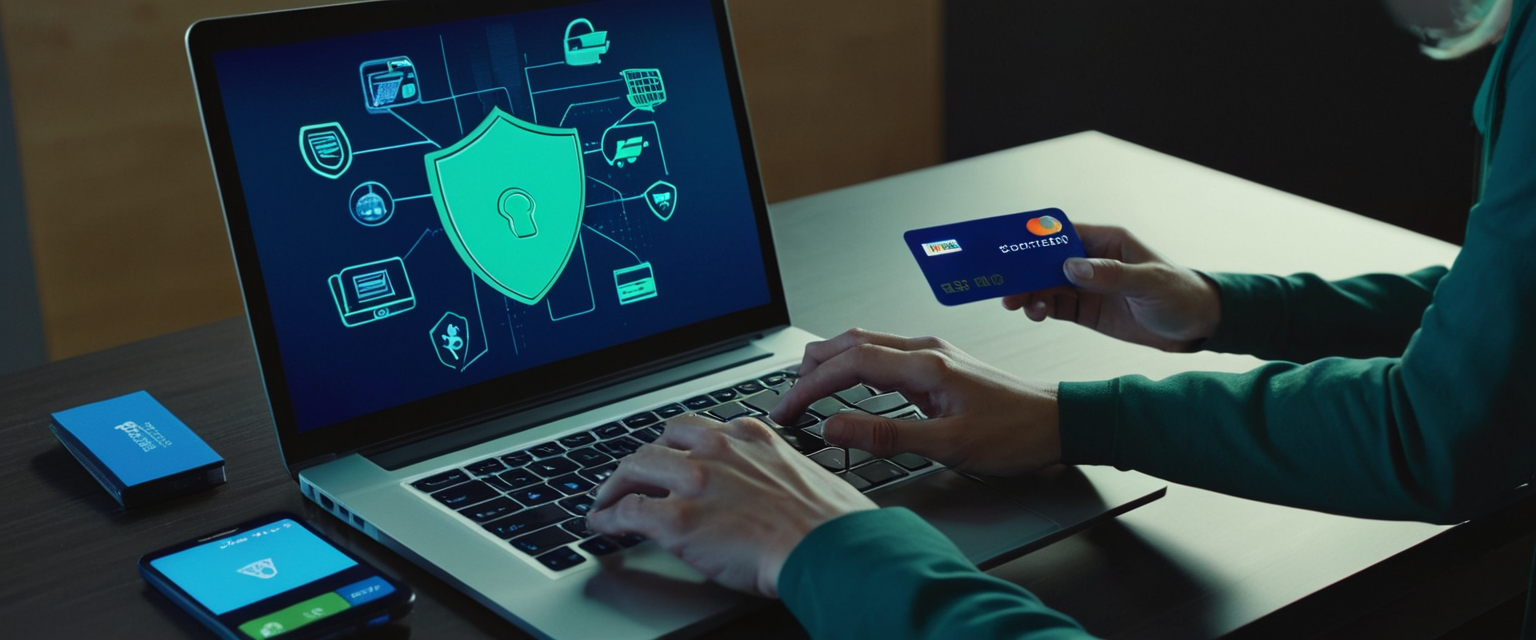
VPN users frequently employ the technology to protect financial information during online shopping, prevent price discrimination, and avoid being targeted with artificially inflated prices based on their geographical location or shopping history. Online retailers employ sophisticated price discrimination techniques where they display different prices to different users based on factors including geographical location, device type, browser history, and user profile data. Airlines and hotel booking websites are particularly notorious for displaying higher prices to users searching from wealthy countries, resulting in the same flight or hotel room being offered at substantially different prices based purely on the user’s perceived location and affluence. By using a VPN to appear as though they are accessing from a different location, users can circumvent these price discrimination schemes and view pricing as offered to users in other markets, frequently resulting in significant savings on travel and other purchases. Research and consumer advocacy has documented that using a VPN while shopping online can result in savings of 10-30 percent on various categories of purchases.
Beyond price optimization, VPNs provide practical protection when conducting financial transactions on insecure or semi-trusted networks. When users make online purchases using credit cards or other payment methods on public Wi-Fi networks or in countries where network security is questionable, VPN encryption ensures that their payment information remains protected from interception. Additionally, VPN protection prevents merchants and payment processors from easily identifying and tracking users across multiple purchases and multiple devices, reducing the ability of these parties to build comprehensive spending profiles and potentially reducing targeted marketing and price discrimination based on detailed shopping behavior history. For users making purchases from sellers operating in other countries or accessing region-restricted products, VPNs provide both the technical capability to access the shopping platform and protection of financial information during the transaction.
Organizational and Institutional Network Access
Beyond commercial VPN services designed for personal privacy, institutional VPNs provided by universities, research institutions, corporations, and government agencies serve the essential function of granting authorized personnel access to restricted resources that would otherwise only be accessible from within the organization’s physical location or controlled networks. Universities employ VPNs to provide students and faculty with access to academic databases, research resources, scholarly journals, and restricted computing clusters that are only available to university-affiliated users. These institutional VPNs serve the access function rather than primarily addressing privacy concerns, though they do provide encryption and security protections for sensitive academic research and institutional communications. Similarly, corporations utilize business VPNs and remote access solutions to grant employees working from home, traveling internationally, or otherwise working outside of corporate offices access to internal systems, applications, file servers, and communication infrastructure. Government agencies employ VPNs to ensure secure remote access for authorized personnel conducting sensitive governmental functions. The institutional and business VPN market remains substantial and distinct from the consumer VPN market, though the underlying technology and encryption principles are similar.
Current User Demographics and Adoption Patterns
Understanding who uses VPNs and what patterns characterize VPN adoption provides important context for the reasons individuals adopt the technology. Recent surveys conducted in 2025 reveal that approximately 32 percent of American adults use VPNs, representing a significant decline from 46 percent adoption in 2024, and a dramatic drop from 75 million Americans estimated to use VPNs currently. This decline is particularly notable given the intensifying cybersecurity threats and increasing data breaches affecting consumers and organizations alike, suggesting that perception, awareness, and skepticism about VPN utility may play important roles in adoption decisions. VPN usage demonstrates clear age stratification, with younger users aged 18-29 showing significantly higher adoption rates of approximately 40 percent compared to older age groups. This generational pattern reflects both greater technological comfort with privacy tools among younger users and potentially greater concern among younger generations about digital privacy and surveillance. Gender differences in adoption are less pronounced than age differences, though some research suggests slightly higher adoption among male users.
Importantly, academic research examining VPN adoption patterns found significant differences between general population users and student populations, with general population users primarily adopting VPNs for privacy and security purposes while pursuing continuous usage, whereas student populations showed greater emphasis on accessing content restricted to their institutions or bypassed through VPN usage. This distinction highlights that VPN adoption motivation varies substantially across user populations based on their particular circumstances and needs. The survey data also reveals that the most popular VPN brands remain relatively stable, with NordVPN retaining the largest user share at 17 percent of VPN users, followed by ExpressVPN and Proton VPN at approximately 9 percent each, and other services including Norton Secure VPN, Private Internet Access, and Windscribe capturing smaller shares. These market leaders have maintained their positions through continuous innovation, strong security practices, transparent privacy policies, and user-friendly interfaces. Notably, 28 percent of VPN users continue to rely on free VPN services despite documented security risks, suggesting that cost remains a significant barrier to VPN adoption for many users.
Important Limitations and Misconceptions About VPN Capabilities
While VPNs provide substantial benefits across multiple dimensions of online security and privacy, significant limitations and common misconceptions about VPN capabilities warrant explicit discussion to ensure accurate understanding of what VPNs can and cannot accomplish. A prevalent misconception holds that VPNs provide complete anonymity and make users completely invisible online, a claim that is technically inaccurate and potentially dangerous if users rely on VPNs as a complete anonymity solution. While VPNs effectively hide IP addresses from destination websites and prevent ISP tracking, they do not prevent websites from identifying users through other means including browser cookies, browser fingerprinting, behavioral identification, and importantly, through logging into personal accounts. If a user logs into their Gmail account or Facebook account through a VPN, Google and Facebook can identify that specific user regardless of their masked IP address, and all activity associated with that logged-in account can be linked to the user’s identity. Additionally, VPNs operate only between a user’s device and the VPN server; they provide no encryption or protection for data traveling between the VPN server and the destination website, meaning that websites still require HTTPS encryption for true end-to-end protection. Users who access HTTP websites through a VPN receive no additional security beyond what the VPN provides to the VPN server, as the unencrypted HTTP traffic between the VPN server and the destination website is visible to the destination server and potentially other network observers.
Another critical limitation involves DNS leaks, where VPN software fails to route DNS queries through the VPN’s encrypted tunnel, instead sending DNS queries directly to the user’s default DNS server, typically provided by their ISP. A DNS leak completely exposes which websites a user is attempting to access, defeating much of the privacy protection that the VPN is intended to provide. Similarly, IP address leaks can occur when a VPN connection drops unexpectedly, causing the user’s device to automatically revert to using their true IP address without the user’s knowledge. These technical vulnerabilities emphasize the importance of selecting reputable VPN providers that implement DNS leak protection, maintain stable connections with automatic kill switch functionality, and regularly test their infrastructure for these types of security vulnerabilities. Additionally, VPNs cannot protect users from cookies or tracking pixels, which continue to function normally through VPN connections to track users across websites. While VPNs can prevent IP address-based tracking and ISP-based tracking, they cannot prevent cookie-based tracking unless additional privacy measures are implemented.
Risks and Potential Drawbacks Associated with VPN Usage
While VPNs provide substantial benefits, using VPN technology introduces certain risks and drawbacks that users should understand to make informed decisions about adoption. A primary concern involves the transfer of trust from the Internet Service Provider to the VPN provider, as using a VPN essentially replaces ISP access to user browsing activity with VPN provider access to the same information. This creates what security experts describe as a trust problem: while a VPN prevents ISPs from monitoring activity, VPN providers themselves can see all traffic passing through their servers and theoretically could log browsing history, visited websites, and user behavior. The security and privacy benefits of a VPN depend entirely on the VPN provider’s integrity, trustworthiness, and actual logging practices, not merely on their claimed “no-logs” policies. Research has documented multiple cases of VPN providers claiming no-logs policies while actually maintaining detailed activity logs, with certain VPN services having been caught handing over user data to government authorities despite public no-logs claims. This creates a situation where users selecting an untrustworthy VPN provider may actually reduce their security and privacy compared to not using a VPN at all.
Performance degradation represents another significant drawback associated with VPN usage, as the encryption and server routing inherent to VPN connections introduce latency and consume bandwidth that would otherwise be available for faster connection speeds. While modern high-quality VPNs minimize this performance impact through optimized protocols and server infrastructure, VPN connections typically result in measurable speed reductions, with some users experiencing 10-30 percent decreases in download speeds. Free VPNs frequently exhibit much more severe performance degradation, often limiting users to 50 percent or greater speed reductions due to server congestion and lack of investment in quality infrastructure. For users engaged in bandwidth-sensitive activities such as video conferencing, gaming, or high-definition streaming, this performance impact can be substantial and potentially unacceptable. Additionally, certain websites and platforms have implemented VPN detection technology that identifies and blocks connections originating from known VPN servers, preventing VPN users from accessing these services entirely. Streaming platforms including Disney+, Amazon Prime, and DirecTV Stream employ particularly strong VPN detection that effectively blocks most VPN usage, while Netflix, Hulu, and other platforms implement weaker detection that many VPNs can circumvent.
Security vulnerabilities can emerge in VPN software and infrastructure itself, as poorly implemented VPN services may contain bugs, misconfigurations, or flaws that expose user data despite encryption. Research has identified multiple VPN security incidents including DNS leaks from major providers, IP address leaks during connection instability, weak encryption protocols, and unpatched software vulnerabilities. Additionally, split tunneling—a feature some VPNs offer to route only specific traffic through the VPN while sending other traffic directly to the internet—introduces security risks by potentially exposing unencrypted traffic to ISP monitoring or interception. Free VPNs present particularly acute security risks, with research documenting that many free VPN services contain malware, use weak encryption, maintain extensive user activity logs that are sold to advertisers, and lack any customer support or security updates. The Financial Trade Commission has brought enforcement actions against certain free VPN providers for privacy violations and deceptive practices, underscoring that not all VPN services deserve user trust.
The Final Word: Why VPNs Matter
Virtual Private Networks serve multiple and complementary functions in modern digital security and privacy strategies, addressing distinct concerns ranging from immediate protection against cybercriminals on public networks to long-term privacy protection against ISP monitoring and commercial data aggregation. The reasons individuals and organizations adopt VPN technology are multifaceted and context-dependent, including data protection for sensitive communications, privacy preservation from invasive tracking, access to geographically restricted content, remote work security, identity theft prevention, and avoidance of ISP-based throttling and interference. Approximately 75 million Americans currently use VPNs, though adoption has declined from previous years, suggesting that awareness, skepticism, and questions about VPN utility remain significant factors in adoption decisions. The most compelling and universally applicable use case for VPN adoption remains the use of public Wi-Fi networks in airports, hotels, coffee shops, and other uncontrolled environments where network security is minimal and data interception risks are substantially elevated. For users regularly accessing sensitive accounts or conducting financial transactions on public networks, VPN protection represents a straightforward security improvement with minimal drawback.
However, broader privacy protection through continuous VPN usage requires careful consideration of VPN provider selection, as the security and privacy benefits of VPN technology depend entirely on the trustworthiness and technical competence of the chosen provider. Premium VPN services from providers with transparent privacy policies, independent security audits, well-documented no-logs practices, and strong reputations provide substantially better security than free VPN services or untrusted providers. The decision to adopt VPN technology should reflect individual risk assessment, threat modeling, and specific use cases rather than assuming that all VPN usage provides universal protection. For remote workers accessing corporate networks, the security benefits are substantial and clear, making VPN adoption a practical necessity rather than optional. For privacy-conscious individuals concerned about ISP monitoring and commercial tracking, continuous VPN usage provides meaningful protection against these threats, though VPNs are not a complete solution and should be combined with additional privacy protections including HTTPS browsing, cookie management, and careful account access practices. As digital surveillance, data collection, and cybersecurity threats continue to intensify, VPNs will likely remain essential components of comprehensive online security strategies, though their specific utility must be evaluated based on individual circumstances, threat models, and technical requirements rather than universally applicable necessity.