While iPhones enjoy a strong reputation for security compared to other mobile platforms, understanding how to check for and address potential malware remains an important aspect of device maintenance and data protection. Despite popular misconceptions, iPhones can be vulnerable to certain types of malicious software, though the threat landscape differs significantly from that of other operating systems. This comprehensive report examines the practical methods for checking iPhone devices for malware, explains the nature of iOS threats, and provides actionable guidance for users concerned about their device security.
The Fundamental Distinction Between iPhone Security and Traditional Virus Vulnerability
Apple’s iOS operating system has been engineered with multiple layers of security that fundamentally distinguish iPhone malware risks from threats targeting other platforms. To properly understand how to check for malware on an iPhone, one must first grasp why traditional computer viruses are essentially impossible on these devices. iOS is not susceptible to viruses in the conventional sense that Windows computers or Android devices are. This distinction forms the foundation for understanding both what threats actually exist on iPhones and what checking procedures are realistically necessary.
For practical protection, see our real-time threat protection feature.
The reason iOS resists traditional viruses lies in Apple’s architectural approach to app isolation. Every application that runs on an iPhone operates within its own isolated sandbox environment, meaning each app can only access files and resources within its designated area. This sandboxing prevents third-party applications from accessing important system files, other app data, or vulnerable areas of the operating system itself. Unlike older systems where malware could attach itself to system files and replicate across the platform, no third-party app on iOS has permission to modify core system files or access other applications’ data without explicit user authorization.
Furthermore, Apple’s curated App Store represents another critical security barrier. Every application available through the official App Store undergoes Apple’s review process, which screens for malicious code and suspicious functionality before apps become available to download. This walled-garden approach dramatically reduces the attack surface compared to open app marketplaces that characterize Android or desktop computing environments. The company maintains strict control over which apps can be distributed, effectively preventing malware from reaching users through official channels.
Understanding the Actual Malware Threats That Can Affect iPhones
While traditional viruses cannot infect iPhones, the device remains vulnerable to other forms of malicious software and social engineering attacks that operate within iOS’s architecture. Understanding these actual threats is essential for effective malware checking, as searching for traditional viruses would be both ineffective and unnecessary. While iPhones don’t get “viruses” in the traditional sense, they are still vulnerable to various forms of malware including phishing attacks that steal login credentials, malicious configuration profiles that reroute network traffic, and spyware or stalkerware that monitors location and communications.
Phishing represents perhaps the most common malware-related threat on iPhones, and it operates through user deception rather than technical exploitation of iOS weaknesses. A phishing attack occurs when criminals craft fraudulent messages—whether through email, text messages, or fake websites—designed to convince users to reveal sensitive information such as Apple ID credentials, banking details, or personal data. These attacks rely on social engineering rather than system vulnerabilities, making them particularly effective because they exploit human psychology rather than technical deficiencies.
Malicious configuration profiles represent a more technically sophisticated threat that users should understand. These profiles are legitimate iOS features that allow device management and network configuration, but attackers can create malicious profiles that reroute network traffic, monitor communications, or install unwanted certificates. Users might be tricked into installing these profiles through deceptive websites or social engineering tactics, and once installed, they can persist and cause significant privacy violations.
Spyware and stalkerware present another category of legitimate concern, particularly for users targeted by sophisticated attackers or those in abusive relationships. These applications can monitor location data, read communications, access photographs, and gather other sensitive information when installed on a device. Historical examples like the NSO Group’s Pegasus spyware demonstrated that even fully patched iPhones running current iOS versions could be vulnerable to zero-click exploits—attacks that required no user interaction and left minimal forensic traces.
Calendar spam represents a particularly annoying though generally low-risk threat that many iPhone users encounter. Strictly speaking, an iPhone calendar virus isn’t really a virus, although it certainly feels like one when you’re being bombarded with unwanted and annoying spam notifications. Users receive fraudulent calendar invitations containing suspicious links that, if clicked, might lead to phishing websites or trigger unwanted app installations. These spam events arrive frequently and use alarming headlines designed to provoke curiosity and urgency.
Recognizing the Signs and Symptoms of Malware on Your iPhone
Before attempting to check for malware, users should understand the symptoms that might indicate a problem requires investigation. Certain behavioral changes in iPhone performance and functionality can suggest malware infection, though it’s important to note that these symptoms can also result from other causes like storage issues, outdated software, or apps running in the background legitimately. Recognizing these signs helps determine whether detailed checking procedures are necessary.
Sudden battery drain represents one of the most commonly reported symptoms of malware on iPhones. If your battery dies much faster than it should, even when your iPhone is not actively in use, this could indicate malware running in the background and consuming significant processing power. Similarly, overheating during light use or when idle suggests malicious software may be causing the processor to work overtime. When your iPhone feels unusually hot without obvious cause, this warrants investigation.
Unexpected data spikes present another telling sign of potential malware activity. If you notice a sudden jump in your data usage without corresponding increase in your own activities—for instance, if you haven’t downloaded large files or watched videos, yet your data consumption jumped dramatically—this could indicate malware sending information from your phone to external servers. Users should monitor their data consumption patterns and investigate anomalies.
Performance degradation including unexpected app crashes, system freezes, or general sluggishness can indicate malware presence. While performance issues can result from many causes, if your iPhone suddenly becomes noticeably slower or apps crash unexpectedly, this warrants investigation. Similarly, constant pop-ups appearing during web browsing, especially if they’re not typical for the websites you visit, could indicate adware or malware.
The appearance of mysterious apps that you don’t remember downloading is a major red flag. Take time to review all apps on your iPhone, including those in folders and in the App Library, and look for any you don’t recognize or remember installing. Malicious software sometimes disguises itself as legitimate apps to avoid detection.
Random messages being sent to your contacts, especially those containing suspicious links or unusual requests, suggests your device has been compromised. If your contacts report receiving strange messages from your account, your device’s access credentials may have been stolen, even if malware isn’t technically installed on your device.
Additionally, unusual notifications appearing in your Camera or Microphone status indicators—represented by green dots for camera access and orange dots for microphone access—can indicate apps accessing these sensors. While many legitimate apps need camera and microphone access, if you see these indicators appearing when no app should be using these resources, this warrants investigation.
Built-In Methods to Check for Malware on Your iPhone
Apple has designed several built-in features that help users understand what their devices are doing and what apps have access to. While iOS does not include a traditional virus scanner—primarily because traditional viruses cannot infect iPhones—the operating system provides transparency tools that serve the purpose of malware checking by showing users what apps are accessing and what resources they’re using.
Battery Usage Analysis
One of the most straightforward built-in checks involves reviewing battery usage by app. To perform this check, open the Settings app, navigate to Battery, and examine which apps have consumed the most power. Look for any apps you don’t recognize or apps that are consuming unusually high amounts of battery when you haven’t been actively using them. If you find unfamiliar apps or apps consuming power disproportionately to your usage, these should be investigated or removed.
Cellular Data Usage Review
Similar to battery analysis, checking cellular data usage can reveal malicious activity. Open Settings, tap Cellular, and review the list of apps and their data consumption. Look for apps that are using excessive data without your knowledge or apps that are using data even when you’re not actively using them. Malware often consumes significant data bandwidth while communicating with external servers, and this usage pattern becomes visible through this interface.
App Privacy Report Feature
With iOS 15.2 or later and iPadOS 15.2 or later, users can turn on App Privacy Report to see details about how often apps access sensitive data like location, camera, microphone, and more. This built-in feature provides visibility into app behavior patterns. To access it, open Settings, tap Privacy & Security, scroll to App Privacy Report, and tap “Turn on App Privacy Report”. After enabling this feature, the system begins gathering information about app access patterns. Over time, it shows you which apps have accessed what data and how frequently. Review this report regularly to identify any apps accessing data types they shouldn’t need. For example, if a calculator app is accessing your location or microphone, this represents unusual behavior worth investigating.
Configuration Profiles and VPN Review
Malicious configuration profiles installed on your device can enable unauthorized access or monitoring. To check for unfamiliar profiles, open Settings, navigate to General, and look for VPN & Device Management. Any profiles or VPN configurations you don’t recognize should be removed immediately. These profiles should only be from organizations you trust or services you deliberately installed.
Protect Your Digital Life with Activate Security
Get 14 powerful security tools in one comprehensive suite. VPN, antivirus, password manager, dark web monitoring, and more.
Get Protected NowApp Permissions Review
Open Settings and navigate to Privacy & Security to review which apps have requested and have been granted permission to access sensitive data categories such as location, contacts, calendar, camera, microphone, and more. For each permission category, review which apps have access and ask yourself whether that app genuinely needs that permission. For example, a flashlight app has no legitimate reason to access your contacts, location, or microphone, so if it has requested such permissions, this represents suspicious behavior.
Checking for Unrecognized Devices
Open Settings, tap your name, and scroll down to see a complete list of all devices currently signed in to your Apple Account. Review this list and look for any devices you don’t recognize. If you see devices you don’t own or use, these could indicate that someone else has compromised your account and is accessing it from another location. If you find unrecognized devices, tap on them and select “Remove from Account“.
Safety Check Feature
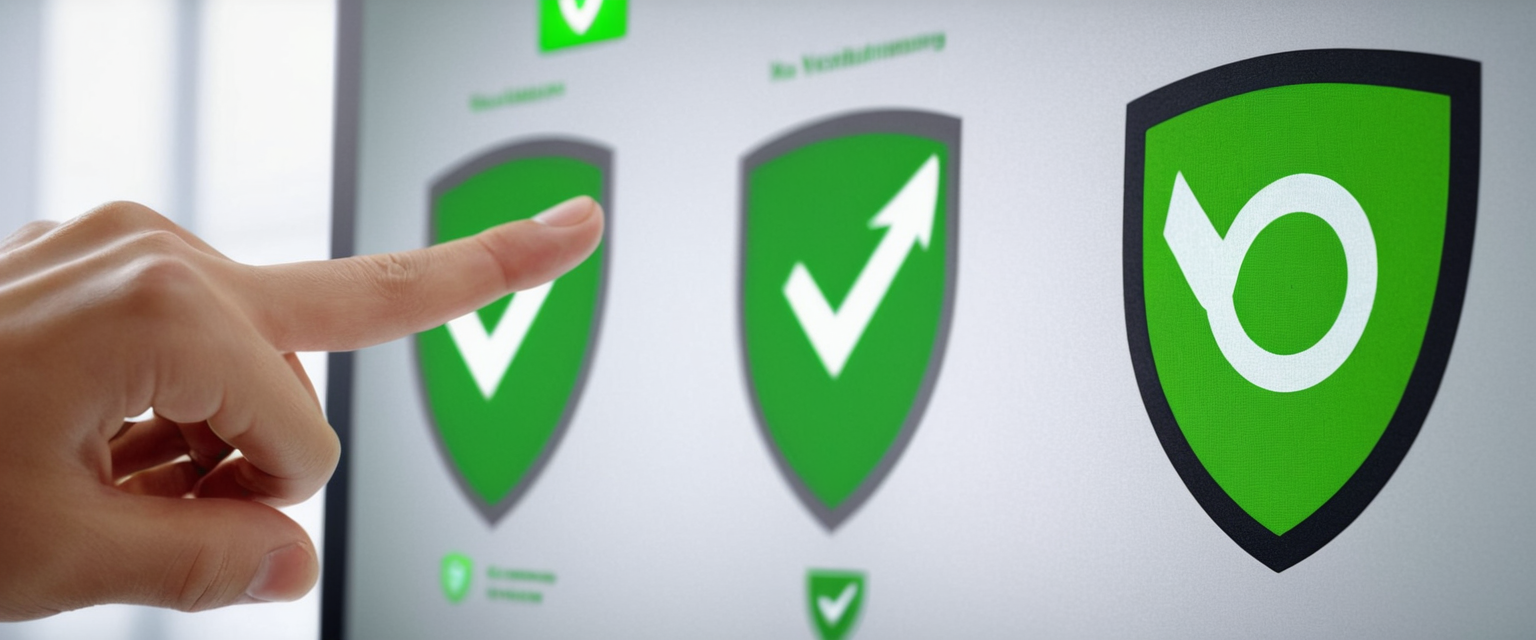
For users with iOS 16 or later, Safety Check—a feature available through the Settings app on an iPhone with iOS 16 or later—allows users to quickly review, update and stop sharing information with individual people and apps. To access Safety Check, go to Settings > Privacy & Security > Safety Check. This feature has two primary functions: it allows you to manage sharing and access options to review and make individual changes, or use Emergency Reset to immediately stop sharing all information. The Emergency Reset option is particularly useful if you suspect your device has been compromised, as it immediately revokes all sharing permissions and access credentials.
Manual Detection Procedures for Suspected Malware
If your iPhone is displaying suspicious symptoms or you suspect malware infection, a systematic manual review process can help identify problems. While this process won’t detect sophisticated nation-state spyware like Pegasus, it can reveal common malware, adware, or suspicious app installations.
Examining Recently Downloaded Apps
Begin by carefully reviewing all apps currently installed on your device. Go through each screen of your home screen and check the App Library to ensure you recognize every single app. Look particularly carefully for apps with generic names that might be masquerading as system apps or apps with unusual icons. Any app you don’t remember downloading or that you cannot recall installing should be investigated. Try to recall where each app came from and why you installed it.
Checking Recent App Activity in Settings
Review the recent activity shown in Settings > Privacy & Security > App Privacy Report to identify any unusual patterns of data access. If an app suddenly begins accessing resources it never used before—for example, if an entertainment app starts accessing your location data or microphone—this represents suspicious behavior that warrants app removal.
Reviewing Recent Purchases and Downloads
Check the App Store purchase history to see what apps have been downloaded and installed recently. Open the App Store, tap your profile icon, select “Purchases,” and review the list of apps. Look for any apps you don’t remember downloading, which could indicate someone else has accessed your Apple Account and installed software.
Examining Calendar Events
If you’re experiencing calendar spam as described earlier, go to Settings > Calendar > Accounts and look for any subscribed calendars you don’t recognize. You might need to navigate to Settings > Passwords & Accounts > Subscribed Calendars depending on your iOS version. Any unfamiliar calendar subscription should be removed immediately.
Checking for Safari History or Unexpected Browsing
Review your Safari browsing history to see if there are websites you don’t recognize. Malware sometimes causes devices to automatically visit certain websites without user knowledge. If you see unexpected websites in your history, this could indicate unwanted software. You can clear this history to remove tracking: go to Settings > Safari > Clear History and Website Data.
Understanding iOS Update Importance for Malware Prevention
In many cases, hackers exploit outdated versions of iOS to launch malware attacks. If you don’t have the latest version of your operating system, it’s imperative to update immediately to close potential vulnerabilities. To check for updates, go to Settings > General > Software Update and follow the instructions to update your iPhone.
Apple regularly releases security patches that fix vulnerabilities discovered in iOS. These updates are essential for maintaining protection against both known exploits and emerging threats. When you receive an iOS update notification, you should install it as soon as possible rather than delaying. Outdated iOS versions leave your device exposed to attacks that could be prevented with a simple update.
Malware Removal Procedures
If you’ve determined that your iPhone likely has malware, several removal procedures can help eliminate the threat. The approach depends on the severity of the suspected infection and your comfort level with various technical procedures.
Basic Removal Steps
If the scan confirms the presence of malware on your iPhone, begin with these foundational removal steps. First, identify and remove any suspicious or unfamiliar apps by pressing and holding the app icon and confirming deletion. Be thorough in this process, checking all app screens and the App Library. Second, restart your device. While this step might seem simple, restarting can clear temporary malware and hidden processes from memory. The system will terminate any hidden processes causing issues, and the restart can often resolve certain problems. Third, clear your iPhone browsing history and data. Go to Settings > Safari > Clear History and Website Data to remove any potentially harmful data from your browser. This process is similar for Google Chrome and other browsers.

Updating iOS
After taking initial steps, immediately update your iOS to the latest version. Go to Settings > General > Software Update and follow the instructions. This closes vulnerabilities that malware might be exploiting.
Restoring from Backup
If you’ve backed up your iPhone before the problem started, you can try restoring from that backup. To restore, go to Settings > General > Transfer or Reset iPhone > Erase All Content and Settings > Restore from iCloud Backup. This erases your current device and restores it to a state before the malware was installed, assuming you made a backup before infection occurred. Make sure you have a backup from before you suspect malware infection—restoring from a backup created after infection occurred will simply reinstall the malware.
Factory Reset as a Last Resort
A factory reset should be your last resort when other removal methods have failed, as it is a complete data wipe. This process will erase all content and settings, including any malicious apps, profiles, or files, returning the software to its original, out-of-the-box state. Before performing a factory reset, it’s crucial to back up your essential data such as photos and contacts. To perform a factory reset, go to Settings > General > Transfer or Reset iPhone > Erase All Content and Settings. For the highest level of security, set the iPhone up as new and manually redownload trusted apps from the App Store rather than restoring from a backup that might contain malicious content.
The Reality of Third-Party Antivirus Apps on iOS
Users often wonder whether third-party antivirus apps provide additional protection for iPhones. The reality is nuanced and worth understanding clearly. No, iPhones generally do not require antivirus apps to be installed because they have strong built-in security features. The fundamental architecture of iOS—with its sandboxing, App Store review process, and permission system—provides protection that traditional antivirus software cannot meaningfully enhance.
This limitation exists because of how iOS is designed. Antivirus and security apps on iOS operate within the same sandboxed environment as any other app, meaning they can only scan their own app sandbox, not the entire device system. They cannot scan the core operating system files or monitor system-level processes in ways that antivirus software can on traditional computers. Because third-party apps cannot access outside their own sandbox, they cannot perform comprehensive system scans that would be necessary to detect sophisticated malware.
However, certain behaviors significantly increase your risk profile, making a security app a smart decision. If you have a jailbroken phone, you’ve already bypassed Apple’s core protections and should strongly consider additional security measures. If you’ve sideloaded apps from outside the App Store or installed enterprise profiles from unverified sources, you’ve created security gaps that additional tools might help address. If you frequently use public Wi-Fi at airports, cafes, or hotels where networks are often unencrypted, additional VPN protection and monitoring tools provide value.
When considering premium security apps, look for features beyond basic app scanning: secure VPN service for encrypting traffic on public networks, identity monitoring services that alert you if your personal information appears in data breaches, safe browsing features that block phishing websites, and comprehensive customer support.
The Danger of Jailbreaking and Its Implications for Malware
Understanding the risks of jailbreaking is essential for properly assessing your iPhone’s malware vulnerability. Jailbreaking your phone is when someone bypasses the restrictions of the Apple operating system to have more control over their device. While legal in most jurisdictions, jailbreaking removes the very protections that make iPhones resistant to malware.
When you jailbreak an iPhone, you are giving up Apple’s dedication to security. Jailbroken iPhones stop receiving iOS security updates, leaving them exposed to the latest security threats. Side-loaded apps are not checked and screened via Apple’s App Store and therefore represent a security risk. Additionally, jailbroken phones often contain bugs that could keep crashing your phone and disable other important features. The battery life can be shortened, and your warranty becomes void.
The real-world consequences of jailbreaking have been severe in the past. In 2015, malware hidden in apps on Cydia, a third-party app store for jailbroken devices, compromised 250,000 such devices, and it was able to steal passwords, buy apps without users’ permission, and effectively hold them for ransom. Malware such as “Unfold Baby Panda” has specifically targeted jailbroken iPhones to steal account credentials. Data shows that rooted devices are more than 3.5 times more likely to be targeted by mobile malware.
Advanced Threats: The Pegasus Example
While comprehensive coverage of sophisticated spyware like Pegasus is beyond typical malware checking procedures, understanding these advanced threats contextualizes the limitations of standard detection methods. Pegasus is spyware made by NSO Group, an Israeli cyber warfare technology firm. This sophisticated spyware has been used to target journalists, human rights defenders, and political figures worldwide.
The earliest version of Pegasus—which was identified in 2016—relied on a spear-phishing attack which required the target to click a malicious link in a text message or email. However, the tool evolved dramatically. By 2020, Pegasus shifted towards zero-click exploits and network-based attacks, which allowed clients to break into target phones without requiring user interaction and without leaving any detectable traces. More recently, successful “zero-click” attacks have been observed exploiting multiple zero-days to attack a fully patched iPhone 12 running iOS 14.6.
For users concerned about sophisticated targeted surveillance, a full DFU Operating system restore on an iDevice would be the only proposed way to get rid of the spyware. This represents the most comprehensive removal method—essentially erasing the device completely and restoring it fresh. For the vast majority of users, such threats are extremely unlikely, as sophisticated spyware like Pegasus is primarily deployed against high-value targets like journalists and government officials, not average users.
Distinguishing Real Threats from Scams
A significant portion of “virus alerts” that users see on their iPhones are actually scams designed to frighten users into taking harmful actions. If you get an Apple security alert pop-up, keep in mind that Apple only sends official security notifications through Apple ID or email, not as pop-ups on your device or Safari browser. If you see a pop-up warning that your device is infected or hacked, this is almost certainly a scam.
These security alerts are unsolicited, fake pop-up errors created to scare you into giving away your personal and financial information that would later be used by threat actors for financial gain. These scams typically offer to “fix” your device if you download their software or call a provided number, but doing so exposes you to actual threats. The proper response when seeing such alerts is to simply navigate away from the page or close the browser tab entirely.
Real Apple security notifications come through your Account Settings, not as browser pop-ups. If you suspect a notification is legitimate, you can verify by signing into your Apple ID account directly and checking your account settings—not by clicking any links in the suspicious message.
Preventive Measures and Best Practices
The most effective approach to malware on iPhones centers on prevention rather than detection and removal after infection. Implementing consistent security practices dramatically reduces your risk.
The best protection is prevention. Users should only download apps from the official App Store or from trusted developers. Avoid downloading apps from third-party app stores or unofficial sources. Jailbreaking significantly decreases device protection and should be avoided unless you have specific technical needs and understand the security implications.
Avoid clicking unknown links in texts, emails, or social media. These links frequently lead to phishing pages designed to steal credentials or malware download sites. Be particularly skeptical of unsolicited links, even if they appear to come from trusted sources—your contacts’ accounts might have been compromised.
Enable two-factor authentication on your Apple Account for added protection. This ensures that even if someone obtains your password, they cannot access your account without also having one of your trusted devices or phone numbers. Consider using Security Keys for Apple Account as an additional layer against targeted phishing attempts. Security keys are physical devices that provide cryptographic verification without the possibility of interception.
Keep your iOS updated to the latest version available for your device. As noted, Apple regularly releases security patches, and staying current is essential. Carefully review app permissions and disable camera, microphone, location, and other sensitive data access for apps that don’t genuinely need them. Regularly review which apps have access to which data categories and revoke permissions that seem unnecessary.
Use a VPN when connected to public Wi-Fi networks, particularly on networks you don’t control. Public networks are common targets for man-in-the-middle attacks where criminals intercept your traffic. A VPN encrypts your traffic and hides your activity from network snooping.
Be cautious of calendar invitations from unknown senders, as calendar spam has become a common attack vector. Don’t click suspicious links in calendar events, and delete unrecognized calendar subscriptions.
Review your Apple Account device list regularly. Go to Settings > [your name] and scroll down to see all devices currently signed in to your account. If you see devices you don’t recognize, remove them immediately.
When to Seek Professional Help
While most malware concerns on iPhones can be addressed through the methods described in this report, certain situations warrant professional assistance. If you’re still concerned or the problem persists, it’s a good idea to contact Apple Support or visit an Apple Store for professional help.
Consider seeking professional assistance if you suspect you’re a victim of stalking or if you believe your device was compromised for illegal activities. In such cases, contacting Apple Support and potentially reporting the incident to law enforcement is appropriate. If you’ve attempted the removal procedures described here and symptoms persist, professional technicians can provide specialized tools and expertise.
If you believe your Apple Account has been compromised—for example, if you see unauthorized purchases or sign-in attempts from unfamiliar locations—contact Apple immediately. Signs of account compromise include receiving two-factor authentication codes you didn’t request, seeing unrecognized devices in your trusted device list, or noticing charges you didn’t make.
Your Ongoing iPhone Vigilance
Understanding how to check your iPhone for malware requires first understanding what malware actually means in the iOS context. It’s quite rare for iPhones to get viruses thanks to the strong security measures Apple has in place, but it’s not impossible, especially if you’ve jailbroken your device or downloaded apps from outside the App Store. The distinction is important: iPhones cannot catch traditional viruses in the way Windows computers can, but they remain vulnerable to phishing attacks, malicious configuration profiles, and sophisticated spyware under certain circumstances.
For most users with non-jailbroken iPhones who download apps only from the App Store and practice basic security hygiene, the practical malware threat remains minimal. The built-in checking methods described in this report—reviewing app permissions, examining battery and data usage, checking for unfamiliar apps, and inspecting configuration profiles—provide adequate visibility into device security. Regular iOS updates remain the single most important protection measure.
Those with heightened security concerns, such as journalists, activists, or individuals in abusive relationships, should consider additional protective measures including VPN services, consideration of professional security consultation, and heightened vigilance regarding suspicious emails and messages. For everyone, understanding the actual nature of threats—phishing and social engineering rather than self-replicating viruses—is essential for effective security practices. By implementing the preventive measures and detection procedures outlined in this report, users can confidently maintain secure iPhones while avoiding both complacency and unnecessary panic about malware threats that pose minimal realistic risk to their devices.