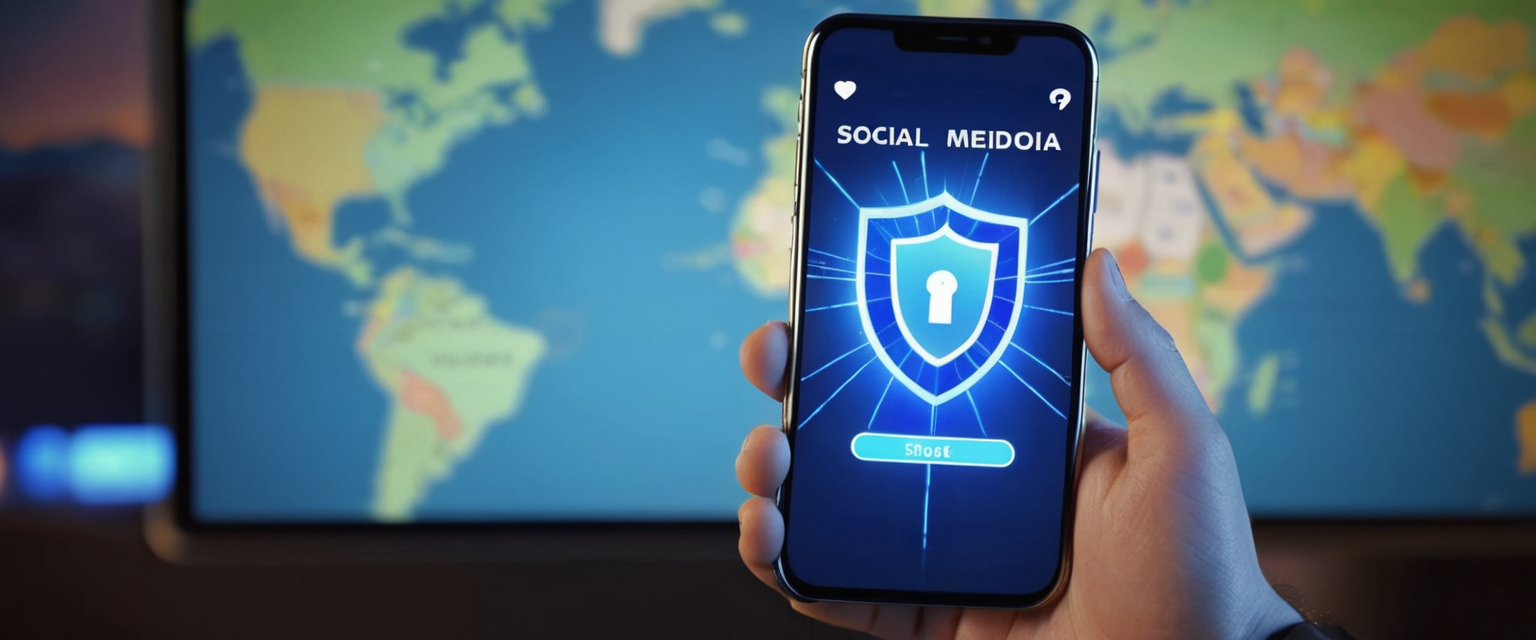
While many TikTok users have turned to virtual private networks as a potential solution for accessing the platform in countries where it is banned or restricted, the reality of using a VPN with TikTok is considerably more complex than simply downloading an app and connecting to a remote server. Although VPNs can initially provide access to TikTok in regions where the service is blocked, the effectiveness of this approach depends significantly on the quality of the VPN service, how well it can evade TikTok’s sophisticated detection mechanisms, and importantly, the regulatory environment of the user’s jurisdiction. The evidence from multiple cybersecurity experts, VPN providers, and technical researchers indicates that while yes, VPNs can work with TikTok in many cases, success is neither guaranteed nor consistent, and users should understand both the capabilities and substantial limitations of this workaround approach before relying on it as a permanent solution.
Understanding VPNs and Their Role in Accessing Geo-Restricted Content
Virtual Private Networks function by encrypting a user’s internet traffic and routing it through servers located in different geographic regions, effectively masking the user’s true IP address and making it appear as though they are accessing the internet from a different location than where they actually are. This fundamental capability has become particularly valuable in an increasingly fragmented global digital landscape where various services and platforms employ geographic restrictions to comply with local regulations, national security concerns, or business models based on content licensing agreements. For platforms like TikTok, which operates with different policies and availability in various countries, a VPN theoretically allows users to circumvent these geographic boundaries by presenting themselves as being in a location where the service is available and unrestricted.
The appeal of using a VPN to access TikTok stems from the reality that the application is banned or significantly restricted in numerous countries around the world. As of 2025, TikTok faces nationwide bans in India, Nepal, Afghanistan, Somalia, Taiwan, Iran, and several other nations, while many developed democracies have implemented partial restrictions on government devices or are considering more comprehensive measures. In the United States, the regulatory landscape has been particularly turbulent, with a ban that was set to take effect on January 19, 2025, being temporarily suspended and repeatedly delayed through executive orders, creating significant uncertainty for the platform’s 170 million American users. Given this volatile environment, millions of users have naturally looked toward VPNs as a potential lifeline for maintaining access to content they enjoy and, in some cases, platforms upon which they depend for their livelihoods as content creators.
However, the widespread understanding among tech-savvy users that VPNs can bypass geographic restrictions is only part of the story when it comes to TikTok specifically. The platform has invested substantial resources into developing and deploying sophisticated detection mechanisms specifically designed to identify and block VPN traffic. These detection mechanisms work in concert with TikTok’s broader data collection and location-tracking infrastructure, creating multiple barriers that VPNs must overcome simultaneously to provide reliable access. Understanding how these detection systems work is essential to evaluating whether any given VPN solution will actually work with TikTok, and for how long such a solution is likely to remain effective before TikTok’s engineers develop countermeasures.
How TikTok Detects and Blocks VPN Usage
TikTok employs a multifaceted approach to detecting VPN usage that goes well beyond the simple pattern matching many users might expect. The platform utilizes several complementary detection methodologies that operate at different layers of the application stack, making it difficult for any single VPN technology to completely evade detection. The most straightforward detection mechanism involves maintaining and regularly updating a blacklist of IP addresses that TikTok has identified as being associated with VPN services. These blacklists are typically compiled from geolocation databases such as MaxMind, with which TikTok partners to identify IP address ranges known to belong to VPN providers. When a user attempts to connect to TikTok through one of these known VPN IP addresses, TikTok’s servers immediately recognize the connection as coming from a VPN and block access accordingly.
This IP blacklisting approach, while relatively unsophisticated on its own, is surprisingly effective because most commercial VPN services operate a limited pool of IP addresses that are shared among many users. Free VPNs and budget-tier paid services are particularly vulnerable to this form of blocking because they often reuse the same IP addresses repeatedly across their entire user base, making these addresses trivial for TikTok to identify and blacklist. Even reputable paid VPN services like NordVPN find themselves in a constant arms race with TikTok, regularly acquiring new IP addresses and rotating their server infrastructure to stay ahead of the platform’s blacklisting efforts. This dynamic explains why VPN providers frequently recommend that users switch to a different server if they encounter access problems with TikTok—a previously blocked IP address at one server location may have been replaced with fresh IP addresses at another location.
Beyond IP address detection, TikTok employs behavioral analysis to identify patterns consistent with VPN usage. This sophisticated approach involves monitoring user accounts for suspicious patterns such as rapid changes in IP address geolocation, multiple login attempts from the same IP address to different accounts within a short timeframe, or inconsistent device and location information that suggests simultaneous access from mutually impossible locations. TikTok’s machine learning algorithms analyze these behavioral indicators in aggregate to flag accounts that are likely using VPNs, regardless of whether the specific IP address has been previously blacklisted. This behavioral detection layer is particularly challenging for VPN users to circumvent because it does not rely on identifying individual IP addresses but rather on pattern recognition across account activity.
Perhaps most problematically for VPN users, TikTok’s location detection capabilities extend well beyond IP address analysis. The application explicitly collects GPS data, SIM card information, device language settings, and Wi-Fi network data from users’ devices. When these multiple data points conflict with each other—for instance, when a user’s GPS location indicates they are in India while their VPN-masked IP address claims they are in Canada—TikTok flags this inconsistency as evidence of VPN usage or account manipulation. This multi-layered approach to location verification means that even a sophisticated VPN that successfully masks the user’s IP address may fail to provide access to TikTok if the user has not taken additional steps to ensure all their device’s location data is consistent with the claimed VPN location.
Some VPNs may also inadvertently leak DNS (Domain Name System) or WebRTC (Web Real-Time Communication) information that reveals a user’s actual location and ISP, even when the IP address is properly masked by the VPN. These leaks occur when the VPN software is misconfigured or when the underlying operating system or browser attempts to resolve domain names or establish peer-to-peer connections outside of the encrypted VPN tunnel. TikTok actively monitors for these types of leaks, which is why cybersecurity experts recommend that users verify their VPN is protecting against DNS and WebRTC leaks before attempting to access TikTok. Many free VPNs and lower-tier paid services do not include these protections, making them particularly vulnerable to detection and blocking by TikTok.
Premium VPN Services That Successfully Work with TikTok
After extensive testing and real-world usage reports, several premium VPN services have demonstrated reliable ability to work with TikTok as of 2025. NordVPN consistently emerges as the top recommendation across multiple cybersecurity and tech publications, having been identified as the best TikTok VPN by testing organizations that conducted month-long evaluations of leading VPN providers. The service achieves this status through a combination of factors including its massive server network of over 8,000 servers spread across 118 countries, fast connection speeds that average around 417 Megabits per second in testing, and advanced security features specifically designed to evade detection mechanisms like those employed by TikTok. Most importantly, NordVPN offers proprietary obfuscation protocols including NordWhisper and NordLynx that are specifically designed to make VPN traffic appear as normal web traffic, preventing TikTok’s detection systems from identifying the connection as originating from a VPN.
NordVPN’s effectiveness with TikTok is further enhanced by its dedicated IP address options, which allow users to maintain a consistent, non-flagged IP address over time rather than being assigned different shared IPs with each connection. For users attempting to maintain long-term access to TikTok, this consistency is crucial because TikTok’s account region-locking mechanism prevents rapid region changes and imposes a 90-day restriction period during which an account remembers its original region assignment. By using a dedicated IP address in a stable location, users can avoid triggering the behavioral detection algorithms that identify suspicious patterns of IP address hopping. NordVPN includes these features across its entire server network and offers them at reasonable prices starting at $3.09 per month on longer-term plans, though the service also offers a 30-day money-back guarantee that allows users to test the service risk-free.
Surfshark represents an excellent alternative to NordVPN for users seeking robust TikTok access at a lower price point, having been consistently identified as the second-best option for TikTok access by multiple testing organizations. The service operates over 3,200 servers in 100 countries and offers connection speeds that are competitive with or even slightly faster than NordVPN in some cases. Surfshark’s particular strength lies in its unlimited simultaneous device connections feature, which allows an entire household to access TikTok through the same subscription without any degradation in service. The service starts at just $1.99 per month on promotional pricing and includes strong encryption, obfuscation capabilities, split tunneling, and comprehensive leak protection across all its servers.
ExpressVPN rounds out the top tier of TikTok VPN options, operating more than 3,200 servers across 105 countries with default obfuscation enabled on all connections. The service is particularly recommended for users in extremely restrictive countries like China, where it maintains reliable access despite China’s sophisticated “Great Firewall” detection systems. ExpressVPN’s MediaPlayer feature includes a free smart DNS service that provides an additional layer of capability for bypassing georestrictions, and the service offers 24/7 live chat support to help users troubleshoot any access issues. While ExpressVPN typically carries a premium price point starting from $3.49 per month, the service has earned its reputation through consistently reliable performance and strong privacy credentials.
Beyond these three market leaders, several other VPN services demonstrate reliable TikTok compatibility including IPVanish, which offers unlimited simultaneous connections and particularly fast speeds suitable for video streaming; CyberGhost, which operates over 11,500 servers and provides specialized streaming servers optimized for TikTok and other platforms; Proton VPN, which combines zero-logs encryption with a massive global network; and Private Internet Access (PIA), which offers an extensive server network across 154 locations and has proven its commitment to privacy through multiple successful court challenges to government data requests. Each of these services differs in specific features, pricing, and performance characteristics, but all have demonstrated the capacity to consistently provide access to TikTok despite the platform’s evolving detection mechanisms.
Protect Your Digital Life with Activate Security
Get 14 powerful security tools in one comprehensive suite. VPN, antivirus, password manager, dark web monitoring, and more.
Get Protected Now
Common Technical Issues and Practical Troubleshooting Solutions
Despite selecting a capable VPN service, many users encounter situations where TikTok fails to work properly even when connected to the VPN. Understanding the various technical issues that can cause these failures and knowing how to systematically troubleshoot them is essential for maintaining reliable access to the platform. The most common issue involves the VPN providing a user with an IP address that has already been blacklisted by TikTok due to overuse or previous detection. This problem is particularly common with free VPNs and budget-tier services that operate limited numbers of servers serving large user populations. The straightforward solution involves switching to a different VPN server, either in a different city within the same country or in a completely different country altogether, as the new server will provide a different IP address that may not yet be on TikTok’s blacklist.
Browser-stored cookies and cached data represent another frequently overlooked source of access problems that can persist even when using a properly configured VPN. While these browser storage mechanisms are generally useful for improving browsing speed and personalizing user experiences, they can also store and leak geolocation information that reveals a user’s true location to TikTok, thereby undermining the anonymization provided by the VPN. The solution involves manually clearing all browser cookies and cached data through the browser’s settings menu, being sure to select “All Time” rather than limiting the deletion to just recent data. For users accessing TikTok through a mobile application rather than a web browser, clearing the TikTok app’s cache can serve a similar purpose by removing stored location data that might conflict with the VPN-provided location information.
Outdated VPN software represents another underappreciated source of TikTok access problems, as older versions of VPN applications may lack critical security patches and the latest detection-evasion technology. TikTok continuously updates its detection mechanisms to identify new VPN technologies and evasion techniques, which means that VPN providers must correspondingly update their software to maintain effectiveness. Users who have not updated their VPN applications in several weeks or months may find that their previously working VPN no longer provides reliable access to TikTok. Checking for and installing the latest version of the VPN software, which can typically be done automatically through the app’s settings or through the operating system’s app store, is a simple but often effective solution to access problems.
Another critical but frequently overlooked troubleshooting step involves ensuring that the VPN’s kill switch and DNS leak protection features are both enabled and functioning properly. The kill switch is a security feature that automatically disconnects the device from the internet if the VPN connection drops, preventing any traffic from traveling through the regular unencrypted connection and thereby preventing accidental exposure of the user’s true location. DNS leak protection prevents DNS queries from leaking outside the encrypted VPN tunnel, which could reveal a user’s true location to TikTok even when the IP address is properly masked. These features should always be enabled for TikTok access through a VPN, and users experiencing access problems should verify that both features are indeed active in their VPN settings. Testing for DNS and WebRTC leaks can be performed through free online services such as ipleak.net or dnsleaktest.com, which will immediately reveal whether the VPN is properly protecting against these types of information leakage.
The 90-day region lock represents a unique TikTok-specific limitation that cannot be bypassed through technical troubleshooting but must instead be managed through consistent, long-term behavior patterns. TikTok’s algorithms determine an account’s region based on multiple data points including SIM card location, device language and region settings, GPS data, Wi-Fi network information, and app usage patterns. Even after successfully connecting through a VPN, if these multiple data points are not consistent with each other and with the VPN’s claimed location, TikTok may not update the account’s region setting, instead maintaining the account’s original region assignment. To overcome this limitation, users must maintain consistency by using the same VPN server location consistently for at least 90 days, keeping their device’s language and region settings synchronized with the VPN’s location, and preferably removing their physical SIM card to prevent the device from broadcasting SIM location data to TikTok’s detection systems. This gradual re-regionalization process cannot be accelerated through technical means but must instead be allowed to occur naturally over an extended timeframe as TikTok’s algorithms accumulate consistent evidence that the user’s location has genuinely changed.
Device restarts, while seeming overly simplistic, surprisingly resolve many TikTok access issues related to cached data, corrupted connection states, or temporary software glitches. A complete device restart clears device memory, flushes network connection caches, and ensures that all software is running in a clean state. For users experiencing persistent problems accessing TikTok through a VPN, performing a device restart after implementing other troubleshooting steps can often provide the final push needed to establish reliable access. Similarly, switching between different VPN protocols—most VPN applications offer multiple connection options such as WireGuard, OpenVPN, and proprietary protocols—can sometimes resolve compatibility issues with specific VPN and TikTok client combinations.
The Legal and Ethical Landscape of VPN Usage for TikTok Access
The legality of using a VPN to access TikTok varies significantly across different jurisdictions, and users should carefully research the laws applicable in their specific location before deciding to use a VPN for this purpose. In most democratic countries with strong rule of law traditions including the United States, Canada, the United Kingdom, Australia, and European Union member states, VPN usage itself is completely legal and widely accepted. These jurisdictions recognize that VPNs serve legitimate purposes including privacy protection, corporate security, and secure remote access, and they do not criminalize or penalize individuals for merely using VPN technology. However, the legality of using a VPN to bypass TikTok restrictions specifically is less clear-cut, and operates in what legal experts describe as a “gray area” that has not been definitively resolved by courts in most countries.
The technical question of whether using a VPN to access TikTok constitutes a violation of the law depends fundamentally on how one interprets laws regulating the platform. In the United States, the Protecting Americans from Foreign Adversary Controlled Applications Act prohibits app stores and third-party service providers from distributing, maintaining, or updating TikTok, but the law does not explicitly mention or criminalize VPN usage by individual consumers. Legal analysis suggests that the law targets the distribution infrastructure rather than individual user access, meaning that an individual user accessing TikTok through a VPN would not technically violate the explicit language of the law. However, a lawyer quoted in one source cautions that “if there is a law saying ‘You can’t do this,’ and you do this by using a VPN to circumvent the law, then you are in violation of the law,” suggesting that circumventing an explicit ban through a VPN could potentially be prosecuted as a violation in some jurisdictions. This interpretation depends on how aggressively prosecutors choose to interpret the statute and whether courts would support such an expansive reading in practice.
In countries that have implemented more comprehensive TikTok bans, the situation is somewhat clearer but remains potentially risky for users. India implemented a nationwide ban on TikTok in 2020 and maintains one of the most aggressive enforcement mechanisms by requiring internet service providers to block access at the network level. While using a VPN to bypass this ban is not explicitly illegal under Indian law, the government’s intense focus on restricting TikTok suggests that authorities do not look kindly upon VPN workarounds. Similarly, in Afghanistan, which has implemented a complete ban on TikTok, authorities have demonstrated little tolerance for circumvention efforts. Users in these jurisdictions should be aware that attempting to access TikTok through a VPN, while not necessarily subject to explicit criminal penalties, could potentially attract unwanted attention from authorities or lead to other complications.
A critical distinction exists between the legal permissibility of VPN usage and the terms of service compliance of using a VPN with TikTok. Even in countries where using a VPN to access TikTok is technically legal, doing so may violate TikTok’s terms of service, which users agree to when creating an account. TikTok has the contractual right to terminate accounts that it believes are using VPNs or engaging in other prohibited activity, and the platform has demonstrated willingness to implement account restrictions for users who it detects using location-spoofing technology. Users should be aware that the consequences of TikTok detecting VPN usage could include temporary feature restrictions, shadowbanning (where content is deprioritized without explicit notification to the user), or permanent account termination. While these consequences are contractual rather than legal in nature, they represent real risks that users should factor into their decision to use a VPN with TikTok.
An additional layer of complexity involves the potential legal risks of using certain VPN services themselves. Some free VPN services have been documented engaging in highly questionable practices including selling user browsing data to third parties, injecting advertisements into user traffic, or even deliberately logging user activity despite claiming to maintain strict no-logs policies. Users seeking to use a VPN to access TikTok should prioritize reputable, paid VPN services that have undergone independent security audits and demonstrated commitment to legitimate privacy practices, rather than free alternatives that may introduce different security and privacy risks that could actually endanger their personal data more seriously than TikTok’s data collection practices.
Global TikTok Restrictions and the Effectiveness of VPNs in Different Contexts
TikTok’s global regulatory situation as of 2025 presents a complex patchwork of complete bans, partial restrictions, and device-specific prohibitions that varies by country and continues to evolve in response to geopolitical developments. Understanding how VPNs perform in these different regulatory contexts requires examining several representative scenarios. In India, which implemented a comprehensive nationwide ban on TikTok in 2020, users attempting to access the platform encounter a message indicating the app is not available in their region. A properly configured VPN connecting to a server in a country where TikTok is available—such as Canada, the United States, or the United Kingdom—can initially bypass this geographic restriction and provide access to the platform. However, Indian authorities have made clear through their aggressive enforcement of the ban that they do not approve of VPN workarounds, and the psychological burden of accessing a banned service may outweigh the benefit for many users.
In the United States, the regulatory landscape has been uniquely turbulent, with a ban that was scheduled to take effect on January 19, 2025, being temporarily suspended through executive action approximately 12 hours after the app initially went offline. As of late 2025, the ban remains technically in effect but unenforced through a series of executive orders that have repeatedly postponed implementation. If the ban were to be enforced, VPNs would theoretically allow existing users with TikTok already installed to continue accessing the app, though the experience would likely degrade significantly over time as the app cannot receive updates from the United States app store and would gradually accumulate bugs, security vulnerabilities, and performance issues. For users attempting to download TikTok on a new device after a ban takes effect, a VPN connected to a foreign server could potentially allow access to a foreign app store where TikTok remains available, though this process requires additional technical steps and comes with complications.
In China, TikTok (known as Douyin in mainland China) faces an entirely different regulatory situation where the platform is simultaneously controlled by the same Chinese company that owns the global version but operates under strict censorship and surveillance requirements imposed by the Chinese government. Attempting to access the global TikTok platform from China using a VPN is technically possible but carries significant legal and political risks, as Chinese authorities actively prosecute unauthorized VPN usage and have implemented highly sophisticated detection systems specifically designed to identify and block circumvention technology. VPN effectiveness in China is substantially lower than in other countries, and users in China attempting to access TikTok through a VPN do so at considerable risk.
For users in developed democracies including the United Kingdom, Australia, Canada, and European Union member states that have imposed partial restrictions limiting TikTok on government devices while leaving general public access unrestricted, VPN usage is less necessary for personal access but may be relevant for government employees attempting to access the platform on personal rather than work devices. The regulatory environment in these countries is substantially more permissive than in countries with comprehensive bans, and users face minimal legal risk from VPN usage, though they may still violate employment policies if they are using government devices.

Technical Performance Limitations and User Experience Degradation
Beyond the detection cat-and-mouse game between TikTok’s security systems and VPN providers, users should be aware of significant technical limitations and performance degradation that commonly occur when accessing TikTok through a VPN. Expert analysis from Duke University computer scientist Bruce Randall Donald suggests that VPNs may not work particularly well on smartphones, the primary platform for which TikTok is designed. The encryption and decryption processes required to route traffic through a VPN tunnel introduce latency and reduce throughput, which is particularly problematic for video streaming applications like TikTok that require consistent, high-bandwidth connections to maintain smooth playback. This performance degradation is especially pronounced when connecting to VPN servers that are geographically distant from the user’s actual location, as the data must travel substantially greater distances before reaching TikTok’s servers.
The fundamental architecture of how TikTok’s content delivery networks operate adds another layer of complexity. When TikTok files cannot be hosted or updated within the United States—which would be the situation if a comprehensive ban were enforced in the United States—the data representing video content must travel substantially greater distances from foreign data centers to reach United States users. This geographic distance degradation, combined with the added latency introduced by VPN routing, creates a compounding effect that can result in buffering, reduced video quality, longer load times, and an overall diminished user experience compared to native access without a VPN. For users who rely on TikTok as more than just casual entertainment—including content creators who attempt to upload and interact with their audience, or businesses that use TikTok as a sales channel—this degraded experience may render the platform essentially unusable for productive work.
Another significant limitation involves the incompatibility between VPN obfuscation features and TikTok’s legitimate functionality. While VPN obfuscation protocols like NordVPN’s NordWhisper are designed to disguise VPN traffic as regular web traffic to evade detection systems, these same obfuscation techniques can sometimes interfere with TikTok’s ability to properly render certain features, process in-app purchases, or deliver targeted advertising. Users attempting to monetize their TikTok content or make purchases within the app may find these features become unavailable or inconsistently functional when accessed through an obfuscated VPN connection. Additionally, the 90-day region lock that TikTok implements means that even after successfully bypassing geographic restrictions and accessing TikTok through a VPN, users may not see content from their claimed region for an extended period, instead seeing content from their original region until TikTok’s algorithms are sufficiently convinced that their location has genuinely changed.
The broader question of VPN sustainability and longevity represents perhaps the most fundamental limitation. TikTok continuously updates its detection mechanisms to identify new VPN evasion techniques and to blacklist newly discovered VPN server IP addresses. VPN providers, in response, regularly acquire new server capacity and update their obfuscation protocols to maintain effectiveness against TikTok’s detection systems. This ongoing arms race between TikTok’s engineers and VPN providers means that no VPN solution is permanently guaranteed to work with TikTok—today’s reliable workaround could become obsolete within weeks or months as TikTok deploys new detection capabilities. Users relying on VPN access to TikTok should plan for the possibility that their current solution may cease functioning at any point, and they should maintain contingency plans for how they will maintain access or transition to alternative platforms if their VPN stops working.
Alternative Approaches and Complementary Strategies
While VPNs represent the most commonly discussed workaround for accessing TikTok in restricted regions, several alternative or complementary strategies exist that users may consider. Accessing TikTok through the browser-based version of the platform rather than the mobile application represents one such alternative, as the web version operates with somewhat different location detection mechanisms and may provide access through a VPN even when the mobile app does not. However, the TikTok web experience is substantially inferior to the native mobile application, with limited functionality for uploading content, reduced recommendation algorithm effectiveness, and an interface that was clearly designed as a secondary option rather than a primary platform for content consumption. For casual users content with viewing videos without uploading or engaging deeply with the platform’s social features, the web version may provide a viable alternative to VPN access to the mobile app.
The emerging phenomenon of user migration to alternative platforms represents another adaptive response to TikTok restrictions and uncertainty. In the weeks before the January 2025 United States ban, millions of American TikTok users began downloading the Chinese app RedNote (known as Xiaohongshu in China), with the hashtag #TikTokRefugee trending globally. While RedNote is similar in many respects to TikTok, it presents different data privacy concerns (given its Chinese ownership), operates under Chinese censorship requirements, and lacks the established creator network and audience that make TikTok valuable for professional creators. Other alternative short-form video platforms including Instagram Reels, YouTube Shorts, and emerging platforms represent additional options, though each has different algorithmic approaches, content norms, and creator economics that may not provide adequate replacement for TikTok’s specific value proposition.
For government employees in countries that have restricted TikTok from official devices, accessing the platform through personal devices on personal networks rather than work networks represents a straightforward alternative that does not require VPN usage. The restrictions implemented by countries like Australia, Canada, the United Kingdom, and the European Union target the app on government-issued devices rather than banning it entirely for private citizens. These employees can access TikTok normally on personal phones and networks without requiring VPN technology, though they should be aware that their employers may have policies against accessing prohibited platforms on work time even through personal devices.
A more sophisticated alternative involves using anti-detect browsers or specialized tools like Incogniton, which are designed to mask digital fingerprinting data and prevent cross-session tracking. These tools create distinctive browser profiles that cannot be linked together across sessions, potentially allowing users to access TikTok multiple times from what appears to TikTok’s detection systems to be different devices and users. However, this approach introduces additional complexity, requires separate browser profiles for each TikTok account, and potentially violates TikTok’s terms of service regarding account management and device fingerprinting circumvention. The tools also introduce potential security risks if not used carefully, as users must still ensure they are not leaking their true location information through DNS, GPS, or other side channels.
The Reality of Long-Term VPN-Based TikTok Access
Looking at the available evidence from technical experts, cybersecurity researchers, and extensive real-world testing, the honest assessment is that VPNs can work with TikTok, but with numerous important caveats and limitations. For users seeking short-term access to bypass temporary geographic restrictions—such as traveling to a country where TikTok is banned and wanting to access their home region’s content—a quality VPN from a reputable provider like NordVPN, Surfshark, or ExpressVPN will very likely provide functional access, at least in the short term. The experience may involve some performance degradation, potential temporary restrictions on certain features, and the possibility of region-locking effects that prevent seeing content from the newly claimed region for an extended period.
For users seeking permanent, long-term access to TikTok through a VPN in a country where the platform is banned—such as India or a hypothetical permanent United States ban—the picture becomes substantially more complicated and less rosy. While VPN access may be initially functional and even reliable for weeks or months, TikTok’s continuous evolution of its detection mechanisms, combined with the platform’s economic interest in enforcing geographic restrictions to comply with local regulations and business models, suggests that sustained VPN circumvention is a losing long-term proposition. The costs of maintaining a subscription to a reliable VPN service, combined with the effort required to manage the 90-day region lock and troubleshoot periodic access problems, may increasingly outweigh the benefits for casual users.
For content creators and businesses that depend on TikTok for income generation, the reliability and sustainability questions become even more critical. A creator whose income suddenly stops because TikTok updates its detection mechanisms and their VPN access ceases functioning would face serious economic consequences. This represents a fundamental limitation of any workaround approach—it is inherently fragile and subject to disruption at the platform’s discretion. Professional creators in countries where TikTok is banned should consider this uncertainty when planning their business models and may need to invest in diversifying across multiple platforms to mitigate the risk of disruption.
So, Can You Use TikTok With A VPN?
The question “Can you use TikTok with a VPN?” has a nuanced answer that depends substantially on context: yes, quality VPN services can currently provide access to TikTok in most geographic locations, but this access is neither guaranteed, consistent, nor permanently sustainable. Users seeking to access TikTok through a VPN should prioritize reputable, paid services like NordVPN, Surfshark, or ExpressVPN rather than free alternatives, and they should understand and accept the technical limitations, potential performance degradation, and regulatory uncertainties that accompany this approach. The legal landscape remains uncertain in many jurisdictions, and while VPN usage itself is legal in most democratic countries, the specific application of VPNs to circumvent geographic restrictions occupies a legal gray area that has not been definitively resolved by courts.
The evolution of TikTok’s detection mechanisms, combined with the platform’s ongoing struggles with regulatory bodies in various countries, suggests that the effectiveness of VPNs with TikTok will likely continue to diminish over time as the platform deploys more sophisticated detection systems. Users should not view VPN access as a permanent solution but rather as a temporary workaround that may remain effective for months or years but should not be relied upon indefinitely. For users whose access to TikTok is merely recreational, the modest effort required to use a VPN may be worthwhile. For professional creators and businesses that depend on TikTok for income, the inherent fragility of VPN-based access suggests that substantial diversification across multiple platforms represents a more sustainable long-term strategy.
The broader implication of this analysis is that geographic restrictions on digital platforms, while easily circumventable through technical means in the short term, are increasingly difficult to permanently evade as platforms invest more heavily in sophisticated detection mechanisms that operate at multiple layers simultaneously. The cat-and-mouse game between VPN providers and platforms like TikTok will likely continue indefinitely, with each side developing more sophisticated capabilities in response to the other’s innovations. Users should approach VPN access to geographically restricted platforms with realistic expectations about both the technical capabilities and the limitations of this technology.