The proliferation of surveillance technology in contemporary society has created an urgent need for individuals to understand how to identify unauthorized recording devices in private spaces. This comprehensive report examines the multifaceted approaches to detecting hidden cameras, ranging from simple visual inspection techniques to sophisticated technological solutions. Hidden cameras now disguise themselves in everyday household items such as smoke detectors, USB chargers, picture frames, and alarm clocks, making them exceptionally difficult to identify without proper knowledge and tools. With the global hidden surveillance camera market projected to reach $6,188.1 million in 2025 with a compound annual growth rate of 7.8%, and approximately 47% of Americans reporting they have discovered cameras in vacation rental properties, understanding detection methodologies has become increasingly important for protecting personal privacy. This report synthesizes current detection techniques, equipment capabilities, legal frameworks, and practical applications to provide a comprehensive resource for individuals seeking to safeguard their privacy from covert surveillance.
The Growing Threat of Hidden Cameras in Modern Environments
The landscape of privacy violation has fundamentally shifted with the advancement of miniaturized camera technology and its increased accessibility to the general population. Hidden cameras are no longer restricted to sophisticated intelligence operations or law enforcement surveillance; they have become affordable consumer products available through mainstream e-commerce platforms. These devices can be purchased for as little as $20 to $60, with increasingly sophisticated models offering wireless connectivity, high-definition recording, motion detection, and remote viewing capabilities. The proliferation of these devices extends beyond theoretical concerns into documented reality, with numerous news reports chronicling discoveries of unauthorized cameras in hotel rooms, Airbnb rentals, and other rental properties.
The motivation behind covert surveillance varies considerably, encompassing both legitimate security applications and nefarious purposes including voyeurism, blackmail, and invasion of privacy. Traditional nanny cameras designed to monitor children and babysitters have been repurposed by individuals seeking to record others without consent in private spaces where reasonable expectations of privacy exist. The rise of online platforms and social media has created perverse incentives for individuals to record intimate moments without authorization, contributing to what researchers describe as a “disturbing trend of spy camera voyeurism“. A survey conducted in June 2025 revealed that 58% of Americans express worry about hidden cameras in rental properties, and importantly, 64% admit they do not know how to detect hidden cameras, indicating a significant knowledge gap in the population.
Common locations for hidden camera placement reflect the perpetrator’s intent to capture individuals in vulnerable situations or states of undress. The bedroom and bathroom emerge as primary target locations, followed by changing rooms and other private spaces. Within these spaces, hidden cameras are frequently concealed in objects positioned to capture the best viewing angles, such as alarm clocks positioned on nightstands facing beds or smoke detectors mounted above toilets in bathrooms. Professional perpetrators demonstrate strategic thinking in camera placement, selecting positions that provide optimal field of view while maintaining concealment from casual observation.
Understanding Hidden Camera Technology and Disguise Methods
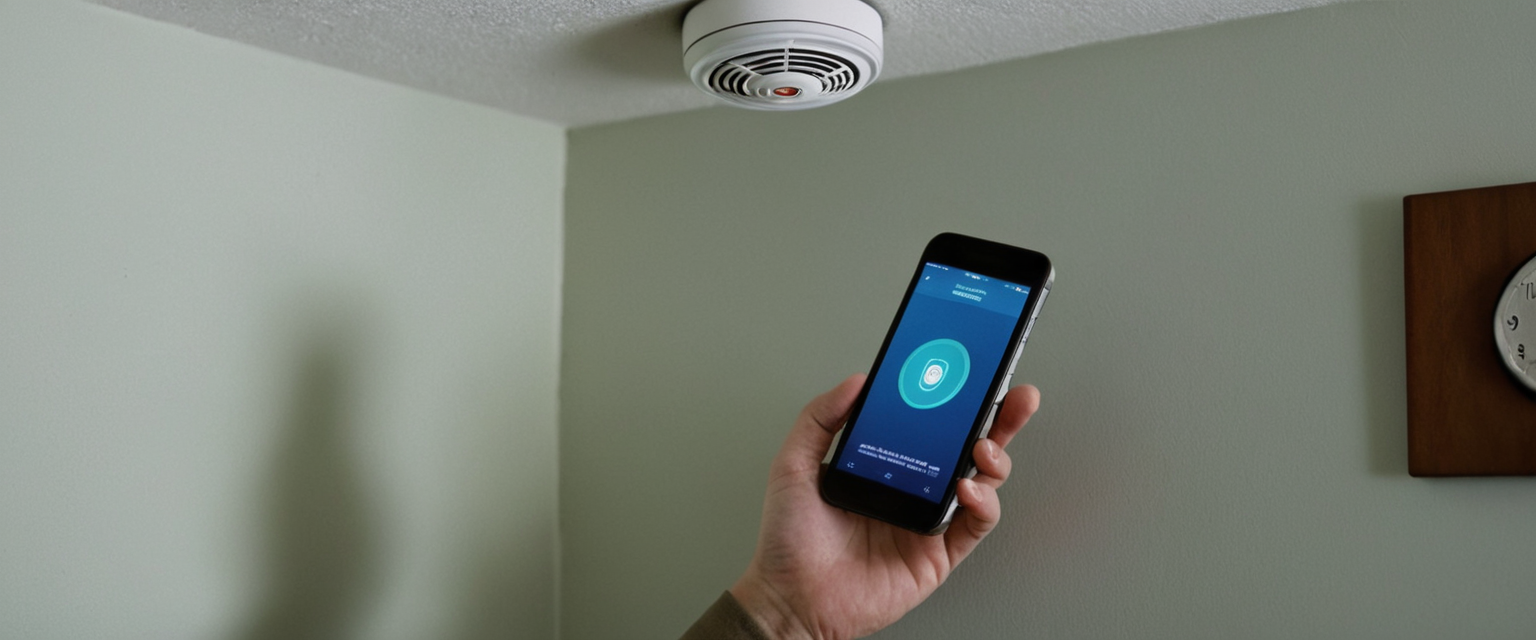
Modern hidden cameras employ sophisticated engineering to combine recording capability with everyday object functionality. The most common disguise categories include electrical devices that naturally require wall outlet placement such as USB chargers, wall adapters, and extension cords; personal care items such as alarm clocks, watches, and eyeglasses; household safety devices such as smoke detectors and carbon monoxide detectors; and general decorative items such as picture frames, mirrors, and stuffed animals. The technical sophistication of these devices has increased substantially, with many units now offering 1080p to 4K resolution recording, night vision capabilities through infrared LEDs, and wireless Wi-Fi connectivity allowing remote access and real-time streaming.
The critical component of any camera system is the lens, which presents a fundamental physical limitation for disguise technology. Regardless of how well integrated a camera becomes into a host object, the optical system must have an optical pathway to capture light from the environment. This physical necessity creates what can be described as an “Achilles heel” for hidden cameras—the lens, though potentially miniaturized to pinhole dimensions, must reflect light and will do so in predictable ways when illuminated. The most sophisticated hidden cameras employ wide-angle lenses typically ranging from 60 to 120 degrees to maximize field of view, which creates a larger reflective surface despite efforts at miniaturization.
Recording methods vary between devices, with some cameras transmitting footage wirelessly over Wi-Fi networks while others record locally to microSD cards embedded within the device. Wireless cameras, while offering convenience for remote viewing, create detectable signatures through their radio frequency emissions and network traffic. Locally recording cameras, particularly those using only microSD cards without network connectivity, present a more difficult detection challenge as they generate no wireless signals and can operate indefinitely without network access. The distinction between wireless and local storage cameras has significant implications for detection strategy, as different methods prove effective for each category.
Manual Detection Techniques: Visual Inspection and Physical Methods
The foundational approach to detecting hidden cameras remains careful visual inspection of spaces, particularly focusing on locations that would provide optimal recording angles of private areas. Visual inspection methodologies begin with environmental assessment, where an individual systematically examines the room from multiple perspectives, looking for objects that appear out of place, oddly positioned, or inconsistent with the space’s aesthetic or function. This approach requires minimal equipment and relies primarily on human observational skills and awareness of typical camera placement patterns established through documented cases.
Systematic visual inspection begins with high-risk areas, which research has identified through analysis of discovered hidden camera incidents. The bed in bedrooms and the toilet area in bathrooms represent priority inspection zones, as these locations provide clear, unobstructed views of individuals in states of undress or vulnerability. Within these areas, inspection should focus on objects positioned at angles that would capture direct views, rather than cameras mounted perpendicular to these locations. Secondary zones include areas near bedroom mirrors, closets, and doorways, with particular attention paid to electrical outlets and power sources.
The flashlight technique represents one of the most effective manual detection methods available to the general public. This approach capitalizes on the fundamental optical properties of camera lenses, which reflect light back toward its source when the light ray strikes the lens perpendicularly. The procedure involves turning off room lights to minimize ambient illumination, then systematically panning a flashlight across areas where hidden cameras might be concealed, carefully examining any reflections that appear. The reflected light from a camera lens produces a distinctive bright spot or series of spots that differs markedly from reflections from glass, mirrors, or other transparent or reflective surfaces. Practitioners report that moving the flashlight slowly and examining objects from multiple angles increases the likelihood of detecting lens reflections that might only be visible from specific viewpoints.
Suspicious electronic devices and power sources deserve particular attention during visual inspection, as cameras requiring continuous operation must connect to power sources. USB chargers, wall adapters, and electrical extension cords represent common entry points for power-dependent surveillance devices. Visual inspection should include checking for anomalies such as unusual holes, lenses, or wires that would not typically be present in a standard electrical device. The emergence of multi-functional devices that combine charging capability with video recording creates situations where visual distinction between legitimate and illicit devices becomes challenging, requiring knowledge of genuine products to distinguish between normal and suspicious items.
Listening for auditory clues provides a supplementary detection method, as some hidden cameras with motion detection sensors emit faint buzzing or clicking sounds when activated. Individuals should pause in silence and listen carefully for unusual electronic sounds, particularly from suspected camera locations. While many modern cameras operate silently, especially those using passive recording, some units generate detectable acoustic signatures under certain conditions. Additionally, individuals should attend to any unusual interference during phone calls in particular locations, as some hidden cameras may cause subtle signal interference.
The fingernail test for two-way mirrors, while controversial in its reliability, remains a technique worth understanding in the context of comprehensive privacy checks. Traditional two-way mirrors create a gap between a finger and its reflection due to the glass substrate separating the reflective coating from the observer’s position. However, this test has significant limitations; certain mirror types including acrylic and smart mirrors can be installed in configurations that cheat the fingernail test, and some modern two-way mirrors employ different materials that do not produce the characteristic gap. More reliable methods for two-way mirror detection include knocking on the mirror to listen for hollow spaces, using a flashlight to detect transparency from the other side, or examining the mirror surface closely for bubbles or scratches that indicate film application.
Radio Frequency Detection Methods and Equipment
Radio frequency (RF) detection represents a category of technological approaches that scan for radio waves emitted by transmitting surveillance devices. These detectors identify the electromagnetic emissions created when wireless cameras transmit video data across Wi-Fi or other wireless protocols. RF detectors operate by sensing radio frequency signals in the environment and alerting users through audio tones, visual lights, or vibration when signals characteristic of hidden cameras are detected. The effectiveness of RF detection depends directly on whether the target camera is actively transmitting, as devices recording locally to storage media without wireless transmission will not be detected by RF methods.
Professional-grade RF detectors scanning broad frequency ranges from 1 MHz to 12 GHz or higher can provide sensitive detection of most common wireless camera frequencies. These devices typically feature adjustable sensitivity controls allowing users to narrow the detection focus in high-interference environments. When sweep operations begin, many practitioners reduce sensitivity initially to avoid overwhelming false positives from the numerous wireless devices present in typical modern environments. As sensitivity is carefully adjusted, sweeping methodically through suspected areas often reveals camera signals that would have been obscured by background noise at maximum sensitivity.
The range and capabilities of RF detectors vary significantly between models and price points. Consumer-grade detectors often provide detection range of 5 to 15 meters depending on signal strength and antenna design, while professional equipment can detect signals from greater distances. However, detection effectiveness decreases substantially at the edges of range, and practical effective detection typically occurs at much shorter distances, requiring operators to bring detectors within close proximity (ideally under 3 feet) to suspected camera locations. This limitation necessitates methodical room sweeping rather than stationary scanning, and explains why RF detection works best in conjunction with visual identification of likely camera locations.
A significant limitation of RF detection involves signal interference from the numerous wireless devices present in modern environments. Smartphones, Wi-Fi routers, Bluetooth devices, kitchen appliances with wireless connectivity, and numerous other consumer electronics all emit radio frequency signals. These legitimate signals can overwhelm RF detectors or create confusion distinguishing camera signals from background wireless activity. Practitioners often address this challenge by unplugging major wireless sources before conducting RF sweeps, though this approach proves impractical in many environments. Additionally, RF detection cannot identify cameras that use advanced encryption techniques designed to prevent detection, or cameras programmed to transmit intermittently rather than continuously, both of which represent more sophisticated surveillance implementations.
Another category of RF detection focuses specifically on magnetic field detection to locate GPS trackers and certain electronic devices. Many GPS trackers utilize strong magnets for vehicle attachment, creating detectable magnetic signatures distinct from the RF emissions of cameras. The distinction between RF signal detection and magnetic field detection allows detectors with both capabilities to address broader surveillance threat categories. Operators using magnetic detection typically employ a detachable probe that amplifies the magnetic field sensing, requiring close proximity to suspected devices for effective detection.
Lens Detection and Infrared Identification Technologies
Lens detection methodologies employ specialized optical technology to identify camera lenses through their characteristic reflective properties. Unlike RF detection which requires active transmission, lens detection methods work regardless of whether a camera is powered on, actively recording, or merely positioned in standby mode. Professional lens detectors use LED or laser light sources that bounce off camera lenses in patterns distinct from reflections off other optical surfaces. When the reflected light appears through a specialized viewfinder equipped with colored filters that match the LED wavelength, camera lenses produce distinctive bright flashes while other reflective surfaces produce minimal or no signal.
The colored viewfinder filters employed in lens detection represent important technical innovations allowing practitioners to filter out background reflections from windows, mirrors, and other glass surfaces that might otherwise create false positives. Red and infrared filter viewfinders remain most common, as many detector LEDs operate in the red or infrared spectrum. These filters effectively screen out visible light reflections while allowing the narrow-band LED or laser light to pass through, dramatically improving detection specificity and reducing false alarms.
Infrared detection presents a distinct subcategory of optical detection focused specifically on the infrared LEDs that many hidden cameras employ for night vision capability. These infrared LEDs operate outside the visible spectrum, making them invisible to human eyes but detectable through certain technological approaches. The most accessible infrared detection method utilizes the front-facing camera on smartphones, which possesses infrared sensitivity that human eyes lack. When the phone’s camera is pointed toward an infrared LED transmitting in darkness, the LED appears as a bright purple, blue, or white dot on the phone’s screen, while to naked human eyes the area appears completely dark.
This smartphone infrared detection technique has become widely utilized due to its zero-cost implementation and remarkable effectiveness for detecting active night vision cameras. The methodology involves turning off room lights to create darkness, enabling the phone’s camera application, and slowly scanning the room while watching the phone screen for bright spots that would not be visible to naked eyes. The reflective properties of infrared light on the phone’s camera sensor create such distinctive patterns that false positives are uncommon once practitioners understand what legitimate infrared camera signatures appear as.
However, infrared detection methods contain important limitations. The approach only identifies cameras actively using infrared LEDs for night vision, missing daylight-capable cameras or cameras using different night vision technologies. Additionally, some legitimate electronic devices emit infrared radiation, potentially creating false positives for the untrained observer. Professional infrared scanners offer enhanced capabilities compared to smartphone cameras, providing superior sensitivity and specialized analysis features, though these represent significantly greater equipment investment.
Protect Your Digital Life with Activate Security
Get 14 powerful security tools in one comprehensive suite. VPN, antivirus, password manager, dark web monitoring, and more.
Get Protected NowWi-Fi Network Scanning and Digital Detection Methods
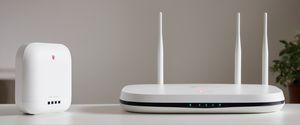
Digital detection methodologies focus on identifying unauthorized devices connected to Wi-Fi networks or broadcasting their own networks. Many modern hidden cameras employ Wi-Fi connectivity to enable remote access and real-time video streaming, creating detectable digital signatures. When a wireless camera connects to a home or hotel Wi-Fi network, it appears in the device list accessible through router administration panels or dedicated Wi-Fi scanning applications.
Wi-Fi network scanning represents an accessible first-step detection method available to most individuals through free or low-cost smartphone applications. Applications such as Fing or Wireshark display all devices currently connected to a Wi-Fi network, typically organized by device type and manufacturer. Unknown devices or devices bearing suspicious names suggesting surveillance capability (such as “InteriorCam,” “IPcamera,” or manufacturer codes associated with camera products) warrant further investigation. However, the challenge emerges that manufacturers often use generic device names or randomly assigned identifiers, making it difficult to distinguish between legitimate smart home devices and illicit surveillance equipment.
Upon identifying suspicious devices on a network, practitioners can attempt to isolate them through unplugging or powering off suspected camera host devices and observing whether the unknown device disappears from the network listing. This isolation technique helps confirm whether a suspicious device is genuinely connected to the suspected object. Additionally, some applications allow viewing of device manufacturer information derived from MAC (Media Access Control) addresses, providing clues about device origin and purpose. If a manufacturer name or device designation clearly corresponds to known camera products, this substantially increases confidence in identification.
Significant limitations constrain Wi-Fi network scanning as a comprehensive detection method. Cameras recording locally to microSD cards without wireless transmission will not appear on network scans, meaning this approach detects only a subset of potential threats. Some cameras employ their own independent Wi-Fi hotspots rather than connecting to the property’s main network, potentially bypassing detection through standard network scanning. Additionally, in environments with numerous connected devices such as hotels, office buildings, or complex properties, distinguishing camera devices from legitimate IoT devices, security systems, and other electronics becomes substantially more difficult.
Advanced network scanning techniques involve port scanning to identify services running on connected devices and searching for camera-specific ports. Common camera service ports include 80, 443, 554, 8000, 8080, 8443, 8554, and numerous others associated with streaming protocols such as RTSP. However, these techniques require technical knowledge beyond the average user’s comfort level and may not prove conclusive, as non-camera devices can operate on identical ports.
Smartphone Applications and Software-Based Detection
The accessibility of smartphone-based detection applications has democratized hidden camera detection, providing tools that require only a smartphone and minimal technical knowledge. These applications employ multiple detection methodologies in unified interfaces, combining Wi-Fi network scanning, infrared detection through the phone camera, magnetic field sensing through accelerometer data, and sometimes RF signal analysis. The proliferation of smartphone detection apps has created significant variability in effectiveness, with some applications providing genuine detection capability while others rely on misleading marketing claiming detection capabilities that physics or software limitations prevent them from achieving.
Testing of popular hidden camera detector applications by independent security researchers reveals mixed results. Applications generally perform adequately at Wi-Fi network scanning, displaying connected devices similarly to standalone Wi-Fi analyzer applications. However, RF detection through smartphones proves significantly less reliable than dedicated RF detector hardware, as smartphones lack proper RF sensing equipment and attempt to detect radio signals through software analysis of cellular or Wi-Fi hardware not designed for general RF scanning. Magnetic field detection through smartphone accelerometers also shows inconsistent results, as these sensors were designed to measure motion acceleration rather than electromagnetic fields, limiting their sensitivity.
Infrared detection through smartphone cameras remains among the most reliable smartphone-based detection approaches, as this utilizes inherent infrared sensitivity of the phone camera hardware for its intended purpose. However, even this application’s effectiveness depends on proper technique, including sufficient darkness, correct phone orientation, and methodical scanning methodology. Users frequently fail to achieve results through smartphone infrared detection due to improper technique rather than equipment limitation.
Critical safety considerations accompany smartphone application usage. Practitioners must download applications exclusively from official app stores (Google Play Store for Android, Apple App Store for iOS) rather than third-party sources, as third-party installations carry significant risk of downloading malware disguised as detection applications. The ironic outcome of installing a malicious application purporting to detect spyware would be voluntarily installing actual spyware on the device being used for privacy protection.

Limitations and Challenges of Hidden Camera Detection
Comprehensive detection methodologies acknowledge inherent limitations that prevent guaranteeing complete identification of all potential surveillance devices. The sophistication of hidden camera technology continues advancing alongside detection techniques, creating an ongoing asymmetry where new concealment methods emerge faster than widespread deployment of counter-detection approaches. Advanced hidden cameras employ techniques such as intermittent transmission schedules that broadcast data only periodically rather than continuously, potentially allowing cameras to avoid sustained detection by RF sweeps. Encryption of video streams prevents visual inspection of transmitted data even when network connections are identified.
The miniaturization trajectory of camera technology ensures continued challenges for detection methodologies. Pinhole cameras with lenses smaller than typical sewing needle eyes can be concealed in locations that previous generation detection equipment could not adequately image. These microscopic devices challenge optical lens detection systems that require sufficient reflected light to be visible through specialized viewfinders. Additionally, the cost reduction trajectory for camera technology means that future generations of hidden cameras will be even more affordable, more difficult to detect, and more widely accessible to potential perpetrators.
Environmental factors significantly impact detection effectiveness across multiple methodologies. High electromagnetic interference environments featuring numerous wireless devices, dense Wi-Fi networks, and RF-emitting equipment reduce RF detector specificity and increase false positive rates. Brightly lit environments challenge infrared detection through smartphone cameras, as ambient infrared radiation and visible light can overwhelm the camera sensor, obscuring the distinctive patterns created by surveillance camera infrared LEDs. Rooms featuring numerous reflective surfaces, metallic objects, and complex geometric configurations create false positive reflections when using optical flashlight methods.
The psychological challenge of conducting thorough hidden camera detection without excessive paranoia presents practical limitations. Comprehensive detection would require examining every object in an environment, which becomes impractical in spaces with numerous items or ornate decoration. Practitioners must balance realistic threat assessment with practical time constraints, typically focusing on high-risk areas and common camera placement patterns rather than examining every object.
Resource limitations constrain professional detection capability. Genuinely effective comprehensive detection requires expensive professional-grade equipment, technical expertise, and substantial time investment. The most effective RF detectors capable of detecting sophisticated surveillance equipment cost hundreds to thousands of dollars. Many individuals utilizing publicly available techniques employ consumer-grade detectors with substantially reduced capabilities compared to professional equipment. This equipment-capability hierarchy means that individuals protecting themselves during casual travel cannot match the detection sophistication available to well-funded security professionals.
Network and Internet-Based Threats Beyond Physical Cameras
While this report focuses primarily on physical hidden cameras, comprehensive privacy protection requires acknowledging the broader surveillance landscape extending beyond physical devices into digital realms. Network-based threats including unauthorized webcam access, compromised routers, and man-in-the-middle attacks represent surveillance methods not involving physical cameras but affecting similar privacy concerns. Hotels and vacation rental properties increasingly feature connected devices including smart TVs, smart speakers, and IoT systems that can be compromised to enable surveillance.
When traveling or staying in unfamiliar environments, cybersecurity practices substantially impact privacy vulnerability. Utilizing virtual private networks (VPNs) to encrypt internet traffic prevents network eavesdropping on hotel or public Wi-Fi networks. Avoiding sensitive transactions such as banking or accessing confidential data over unencrypted hotel networks reduces exposure to credential theft. Two-factor authentication on email and important accounts provides protection even if passwords are compromised through network monitoring. These digital security practices complement physical hidden camera detection as components of comprehensive privacy protection.
Legal Framework and Response Protocols
Understanding the legal status of hidden cameras provides context for detection efforts and appropriate responses when cameras are discovered. In most jurisdictions, recording individuals in private spaces where reasonable expectation of privacy exists constitutes illegal activity. Private spaces specifically identified in legal frameworks include bathrooms, bedrooms, changing rooms, locker rooms, and rental accommodations. Recording audio of conversations without all-party consent violates wiretapping and eavesdropping laws in many jurisdictions.
However, legal frameworks vary significantly across geographic jurisdictions. Some areas permit property owners to install cameras in common areas of their property with disclosure, while absolutely prohibiting cameras in private spaces. Other jurisdictions impose stricter requirements, disallowing recordings even in common areas unless prominently disclosed and approved by all occupants. Michigan law, for example, prohibits installing observation devices in private places without consent of individuals entitled to privacy in that space, with criminal penalties for violation.
When hidden cameras are discovered, appropriate response protocols begin with personal safety and securing evidence. Individuals should not touch or remove detected cameras, as contaminating fingerprints or evidence potentially interferes with law enforcement investigations. Documenting the discovered camera through photographs from multiple angles preserves evidence and provides documentation for reporting. If residing in a rental property, immediate evacuation to a safe location should precede any further action, particularly if concerns arise about perpetrator motivation or volatility.
Reporting discovered cameras to appropriate authorities represents the next critical step. Local law enforcement agencies in most jurisdictions possess legal authority and investigative resources to examine devices and pursue criminal charges. Simultaneously, reporting to the property owner, rental platform (Airbnb, VRBO, etc.), or hotel management creates formal records and initiates platform accountability mechanisms. Major rental platforms maintain policies explicitly prohibiting indoor camera placement and establish procedures for removing hosts who violate policies.
Civil legal remedies available to privacy violation victims include negligence claims against property owners or managers, intentional infliction of emotional distress claims, and invasion of privacy claims. Successful civil litigation can result in substantial damages awards, establishing precedent that significantly exceeds camera equipment value. However, civil litigation requires consultation with qualified attorneys and involves substantial time and emotional burden for victims.
Special Applications: Detecting Hidden Cameras in Specific Environments
Hotels and Hospitality Settings
Hotel environments present specific detection challenges and opportunities based on room standardization and predictable layouts. Typical hotel rooms feature minimal personalization with standardized furniture placement, fixture locations, and decoration, reducing the confusion factor that complex personalized spaces create for detection methodologies. The bed-and-bathroom layout of most hotel rooms concentrates high-risk areas into predictable locations, allowing prioritized inspection focus.
Critical hotel detection focuses on viewing angles from the bed, shower, and toilet areas. Cameras positioned to capture these zones typically require concealment in fixtures directly facing these spaces, including wall-mounted devices, ceiling fixtures, or near-vicinity objects. Television sets mounted on walls or stands facing beds represent high-priority inspection targets, as these provide excellent vantage points for capturing guests in vulnerable states. Examination should include checking whether TVs display logos, remote-sensing eye panels, and other normal features that might mask camera lenses.
Bathroom detection should focus on electrical outlets, ventilation grilles, shelving units, and mirror areas. Hidden cameras in bathrooms sometimes utilize power sources including outlets near sink areas or connections to exhaust fans. Mirrors, particularly if unusual colors or having atypical reflective properties, warrant testing through the fingernail test and flashlight examination.
Airbnb and Vacation Rental Properties
Short-term rental environments introduce complexity through highly variable interior designs, furnishing levels, and decoration density. Properties ranging from spartan minimalist spaces to elaborately decorated residences create vastly different detection challenges. Heavily furnished or decorated properties with numerous items, stuffed animals, and wall hangings present substantially greater detection difficulty, as cameras can conceal themselves among dozens of objects.
The Airbnb platform implemented policy changes in April 2024 restricting all indoor camera placement on rental properties, following years of documented privacy violations. However, enforcement of this prohibition remains incomplete, with survey data indicating that 55% of Airbnb hosts admit to continuing indoor camera usage despite the ban. The persistence of cameras in violation of platform policy indicates that checking for hidden cameras remains essential when staying in Airbnb properties, despite platform-level policies.
Initial assessment upon arrival at a rental property should establish which devices are legitimate and placed by property management versus suspicious unknown devices. Properties often feature door locks, security system panels, thermostats, and other legitimate fixtures with optical elements that might be confused with cameras. Understanding which technology exists as normal property infrastructure versus potentially suspicious allows more effective focus on genuinely suspicious items.
Wi-Fi network scanning provides particularly valuable detection in Airbnb environments, as hosts often operate cameras through residential network connections. Identifying all connected devices and investigating unfamiliar items can identify network-connected cameras. In the documented case of a British Columbia guest discovering cameras in a Santa Monica Airbnb, Wi-Fi network scanning revealed multiple unknown devices that led to discovery of disguised cameras.
Public Changing Facilities and Bathrooms
Commercial changing rooms, public restrooms, and similar facilities present unique challenges for hidden camera detection due to shared space ownership and inability to modify environments. Detection in these environments must occur quickly without damaging property or creating disturbance to other occupants. The flashlight and visual inspection methods remain most practical in public environments, as deploying RF detectors or conducting extensive Wi-Fi scanning may draw unwanted attention.
In changing rooms and bathrooms, detection should focus on all elevated vantage points including ventilation grilles, ceiling-mounted fixtures, smoke detectors, and wall-mounted items. Examining door hinges, which sometimes conceal peephole cameras, represents an important specialized check. Testing door locks and examining peephole integrity helps identify whether door modifications have been made to accommodate covert recording devices.

Advanced Topics: Establishing Detection Expertise and Limitations
Professional Counter-Surveillance Operations
Professional security experts conducting formal counter-surveillance operations employ substantially more sophisticated approaches than available to casual users. These operations typically involve multiple detection methodologies performed sequentially and in combination, allowing confirmation through multiple independent detection approaches. Professional operations often involve temporarily removing occupants from spaces and conducting unhurried comprehensive sweeps using professional-grade RF equipment, spectrum analyzers, and other sophisticated tools.
Professional operations also employ understanding of human behavior and perpetrator psychology to predict likely camera placement locations. Knowledge that perpetrators attempt to maximize field of view while minimizing detectability produces focused search strategies targeting optimal surveillance vantage points rather than exhaustively examining all space. Additionally, professional investigators understand the evolution of hidden camera technology, allowing them to anticipate concealment methods not yet widely known to general populations.
Emerging Detection Challenges
The trajectory of surveillance technology evolution creates continuously emerging detection challenges. Artificial intelligence and machine learning integration into surveillance systems enables cameras to analyze collected footage in real-time, identifying specific individuals or activities and initiating selective recording based on algorithmic analysis rather than continuous recording. This technological advancement potentially allows cameras to operate with reduced data transmission, potentially evading Wi-Fi network detection.
Deepfake and synthetic media technology creates capacity for malicious actors to create convincing video evidence of events that did not occur, creating forensic authentication challenges for evidence collected from discovered cameras. While this relates more to evidence validity than detection methodology, it underscores the expanding complexity of privacy threats as surveillance technology sophistication increases.
Practical Implementation Framework for Comprehensive Detection
Five-Minute Rapid Assessment Protocol
For travelers or individuals seeking rapid initial assessment without extensive time investment, security experts recommend a focused five-minute detection protocol emphasizing high-yield activities. This protocol prioritizes bed and bathroom areas as highest-risk zones requiring immediate attention. Within these high-risk areas, the protocol recommends examining alarm clocks, smoke detectors, USB chargers, and other common camera hosts. Employing the smartphone infrared camera technique by scanning these items in darkness provides rapid assessment of infrared-enabled cameras.
Following focused area assessment, the protocol recommends scanning room Wi-Fi networks using available Wi-Fi analyzer applications to identify suspicious devices. This rapid sequence typically requires 3-5 minutes and provides meaningful detection probability without consuming excessive time or creating paranoia about comprehensive room examination.
Comprehensive Detection Procedure
For situations where more thorough detection is warranted and time permits, implementing a comprehensive detection procedure substantially increases detection probability. This approach combines multiple methodologies applied systematically to the entire space. Visual inspection begins with careful examination of all elevated surfaces (shelves, wall-mounted items, ceiling) followed by examination of all objects at eye level and below. Particular attention focuses on objects that appear recently placed, unusual, out of aesthetic context, or positioned at angles inconsistent with normal object placement.
Following visual inspection, flashlight methodology applies systematic illumination of all high-risk areas and objects identified during initial inspection, carefully examining for lens reflections. The procedure should repeat from multiple angles, as reflections may only appear from specific viewing geometry. Smartphone infrared camera scanning of suspected areas follows, employing the same systematic approach.
Network-level assessment using Wi-Fi scanning applications provides complementary digital detection following physical inspection. Finally, if available equipment and expertise permit, RF detection scanning provides additional layers of detection capability. The combination of these methodologies substantially reduces probability that functional cameras remain undetected.
Illuminating the Invisible: Your Concluding Safeguards
The comprehensive understanding of hidden camera detection methodologies, capabilities, and limitations provides essential foundation for individuals seeking to protect their privacy in contemporary surveillance-enabling technological environment. The proliferation of affordable surveillance technology, combined with the increasing accessibility of these devices through mainstream e-commerce, has shifted hidden camera threats from theoretical privacy concerns to documented practical dangers affecting millions of individuals annually. The 47% of Americans reporting discovery of cameras in vacation rental properties demonstrates that hidden surveillance represents not hypothetical risk but established pattern of actual violations affecting significant populations.
Effective privacy protection integrates multiple detection methodologies rather than relying exclusively on any single approach. Manual visual inspection and flashlight-based lens detection provide accessible no-cost methodologies suitable for rapid assessment in any environment. Smartphone infrared detection offers valuable supplementary capability through technology most individuals already possess. Wi-Fi network scanning provides digital detection complementing physical inspection methodologies. For situations where higher assurance is warranted, professional-grade RF detection equipment and professional security consultation provide substantially enhanced detection capability, though this represents significant resource investment not practical for casual travel scenarios.
Understanding detection limitations proves equally important as understanding detection capabilities. Cameras recording locally without wireless transmission cannot be detected through network scanning. Cameras deliberately constructed to minimize RF emissions or operate intermittently may evade RF detection. The miniaturization trajectory of surveillance technology ensures that increasingly sophisticated concealment will remain possible despite advancing detection techniques. Acceptance of these limitations enables realistic assessment of surveillance risks and appropriate precautionary measures rather than false confidence in comprehensive protection.
Legal protections exist in most jurisdictions prohibiting unauthorized recording in private spaces, providing recourse for victims through criminal prosecution and civil litigation. However, legal protections provide remedy following violation rather than preventing violation, emphasizing the continued importance of detection methodologies that identify threats before recording occurs. Platform-level policies by Airbnb and other rental companies prohibiting indoor cameras provide additional protection layer, though enforcement limitations mean individual vigilance remains necessary.
The importance of detection knowledge extends beyond technical understanding to encompass psychological resilience against both genuine threats and paranoia about potential threats. Balanced assessment recognizing that hidden cameras represent real documented threats while avoiding excessive paranoia enables individuals to conduct reasonable detection activities without psychological burden. The rapid five-minute assessment protocol provides methodology permitting meaningful threat assessment without consuming excessive time or creating debilitating concern.
Future developments in surveillance technology will create continued evolution of detection methodologies as intelligence between surveillance and counter-surveillance methodologies persists. The global hidden surveillance camera market growth trajectory of 7.8% CAGR through 2033 ensures that this market segment will remain active and evolving, likely producing increasingly sophisticated concealment and transmission methods. Correspondingly, detection methodologies will continue evolving, with professional security expertise advancing faster than general population knowledge.
For individuals prioritizing privacy protection, the recommendations emerging from this comprehensive analysis include maintaining awareness of documented common camera locations and concealment methods, conducting rapid visual inspection and smartphone infrared scanning when arriving at unfamiliar accommodations, utilizing Wi-Fi network scanning as supplementary detection when accessing rental Wi-Fi networks, and consulting professional security expertise for high-security environments or situations justifying substantial resource investment in detection capability. Combined with legal awareness of jurisdictional protections and appropriate response protocols, these practices provide robust foundation for privacy protection against hidden camera threats in contemporary technological environment.